Solar Panel Installation in Tindivanam – Cost, Benefits & Solar Solutions
Electricity costs are becoming an important consideration for homeowners, businesses, commercial establishments, and agricultural operations. With increasing energy consumption and the availability of rooftop solar technology, switching to solar power is becoming a practical long-term investment for many property owners in Tindivanam and all across Tamil Nadu.
Whether you are planning a solar panel installation in Tindivanam for your home, setting up a solar system for a commercial building, or exploring solar-powered solutions for agricultural needs, choosing the right system can make a significant difference in energy savings and long-term performance.
With Tamil Nadu’s favourable solar conditions, rooftop solar installations offer an opportunity to generate electricity from sunlight, reduce dependence on conventional electricity, and make better use of available roof space.
The Growing Demand for Solar Energy in Tindivanam
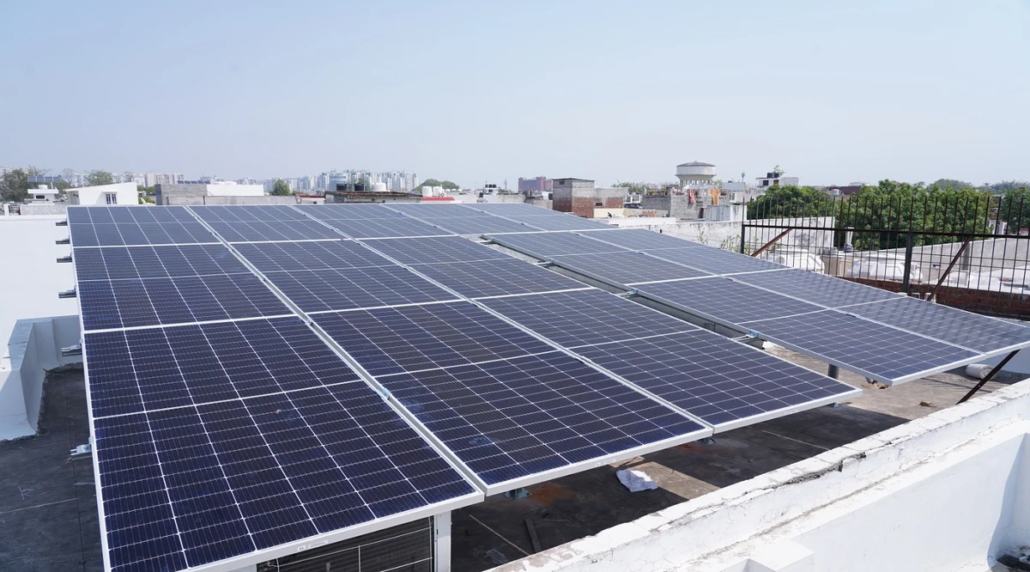
Tindivanam and its surrounding regions have a combination of residential properties, commercial establishments, agricultural land, workshops, warehouses, and industrial facilities. These properties often have suitable rooftop or open spaces that can be utilised for solar power generation.
Installing a solar energy system can help consumers generate electricity during daylight hours and reduce the amount of electricity they need to purchase from the grid.
Some of the key reasons people are considering solar installation in Tindivanam include:
- Reducing monthly electricity bills
- Making use of unused rooftop space
- Lowering long-term electricity expenses
- Supporting cleaner energy generation
- Reducing dependence on conventional grid electricity
- Exploring solar power for agricultural and commercial applications
- Taking advantage of applicable state & central government subsidies for eligible residential installations
For properties with consistent electricity consumption, a properly designed solar system can offer long-term financial and energy benefits.
Solar Panel Installation for Homes in Tindivanam
Residential rooftop solar is one of the most practical ways for homeowners to reduce electricity expenses. Independent houses with sufficient rooftop space can install solar panels and generate power for everyday household appliances.
A solar system can support the electricity consumption of:
- Air conditioners
- Refrigerators
- Washing machines
- Water pumps
- Lighting and fans
- TVs and computers
- Other household electrical appliances
The size of a residential solar system depends on electricity consumption, roof availability, daytime usage, and the homeowner’s future requirements.
What size solar system is suitable for your home?
| Solar Plant | Approx. Daily Generation | Suitable for |
| 3kW | 12–15 units | Small to medium households |
| 5kW | 20–25 units | Medium to high consumption homes |
| 7kW | 28–35 units | Larger homes and higher energy consumption |
*Generation figures are indicative estimates and can vary depending on weather, shading, panel orientation, location, and system performance.
At Soltrix Energy Solar, we can evaluate your electricity bill and roof conditions to determine the appropriate system capacity rather than recommending an unnecessarily large or small system.
Solar Panel Installation for Commercial Buildings
Businesses in Tindivanam can also benefit from rooftop solar installations. Shops, offices, showrooms, educational institutions, hospitals, warehouses, workshops, and other commercial buildings often consume substantial electricity throughout the day.
Installing a commercial rooftop solar system can help reduce operating expenses by generating a portion of the electricity required during business hours.
Commercial solar installations can be designed for:
- Shops and retail outlets
- Offices and business establishments
- Schools and colleges
- Hospitals and clinics
- Warehouses and storage facilities
- Manufacturing units and workshops
- Commercial buildings with large rooftop areas
For businesses with high daytime electricity consumption, solar can help reduce electricity costs over the long term while improving energy efficiency.
The system capacity can be customised according to the electricity consumption pattern, available roof space, load requirements, and the property’s electrical infrastructure.
Solar Solutions for Agriculture in Tindivanam
Agriculture is an important part of the surrounding Tindivanam region, making solar energy a useful option for agricultural operations that require electricity for irrigation and other activities.
Solar-powered agricultural solutions can help farmers explore alternatives for powering essential equipment, especially in locations where electricity availability, operating costs, or infrastructure requirements need to be considered.
Some agricultural solar applications include:
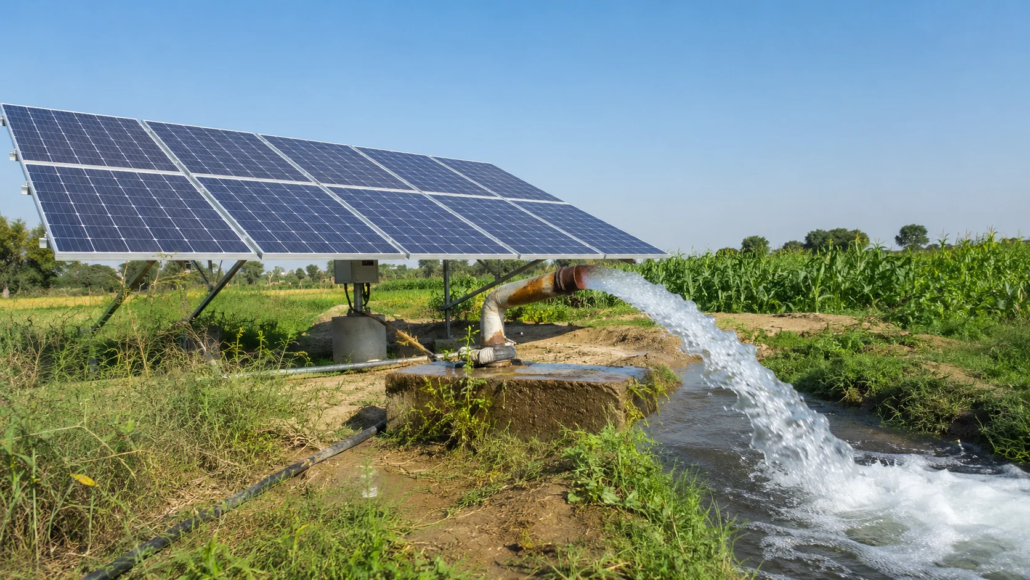
- Solar water pump sets for irrigation
- Solar-powered agricultural pumping systems
- Solar lighting for farms
- Solar installations for agricultural buildings
- Solar structures and shed installations
- Standalone solar solutions for specific electrical requirements
A solar water pump system is designed according to the water source, pumping depth, required flow rate, irrigation requirements, and location.
For agricultural customers, the right solution is not always a conventional rooftop solar system. A customised solar pumping system or ground-mounted installation may be more suitable depending on the land and application.
Solar Panel Installation Across Tindivanam and Nearby Areas
Solar installation requirements can vary depending on the property, roof type, electricity consumption, and location. Residential and commercial solar systems can be planned for customers in Tindivanam and surrounding towns and localities.
Solar panel installation requirements may also arise in nearby areas such as:
- Tindivanam
- Villupuram
- Gingee
- Omandur
- Vikravandi
- Vandavasi
- Kiliyanur
- Marakkanam
- Nearby villages and surrounding residential areas
Whether the requirement is for a house, commercial building, agricultural property, industrial shed, or open land, a site assessment helps determine the feasibility and most suitable solar configuration.
Types of Solar Systems Available
Choosing the right type of solar system is an important part of the installation process.
1. On-Grid Solar System
An on-grid solar system is connected to the electricity grid. It generates solar electricity during the day, helping reduce the amount of power drawn from the utility.
This is commonly preferred for residential and commercial properties with an existing electricity connection.
Benefits include:
- Reduced electricity consumption from the grid
- Lower monthly electricity bills
- Suitable for homes and businesses with regular grid access
- Net metering benefits where applicable and approved
- Lower system complexity compared with battery-based systems
2. Hybrid Solar System
A hybrid solar system combines solar panels, a grid connection, and battery storage.
It can be useful for properties that require backup power during grid interruptions, depending on the system configuration and supported loads.
Hybrid systems are suitable for:
- Homes requiring backup electricity
- Offices with essential electrical loads
- Businesses that need additional power continuity
- Properties where battery storage is a requirement
The battery capacity and inverter configuration must be designed according to the backup requirements.
3. Off-Grid Solar System
An off-grid solar system operates independently of the utility grid and generally uses batteries to store electricity.
It can be considered for locations where grid availability is limited or where independent electricity generation is required.
Off-grid systems are commonly explored for:
- Agricultural properties
- Remote locations
- Standalone buildings
- Specific independent power requirements
New Solar Subsidy Structure: Get Up to ₹1 Lakh for Your Home
One of the biggest reasons homeowners in Tindivanam are considering rooftop solar is the availability of government subsidies that reduce the initial installation cost. With Tamil Nadu introducing an additional state subsidy alongside the central government’s PM Surya Ghar: Muft Bijli Yojana, eligible households can now receive a combined subsidy of up to ₹1 lakh for rooftop solar installation.
Under the combined subsidy scheme, eligible residential consumers can receive financial assistance from both the Central and Tamil Nadu governments.
| Solar System Capacity | Central Government Subsidy | Tamil Nadu Subsidy | Total Subsidy |
| 1kW | ₹30,000 | ₹5,000 | ₹35,000 |
| 2kW | ₹60,000 | ₹10,000 | ₹70,000 |
| 3kW | ₹78,000 | ₹22,000 | ₹1,00,000 |
| Above 3kW | ₹78,000 | ₹22,000 | ₹1,00,000* |
*Subject to eligibility and applicable scheme guidelines.
This additional state subsidy makes rooftop solar more affordable for households in Tindivanam and across Tamil Nadu by reducing the upfront investment required to install a residential solar system.
How much can you save on a 3 kW solar installation in Tindivanam?
A typical 3 kW residential rooftop solar installation can cost approximately ₹2.10 lakh to ₹2.20 lakh before subsidy, depending on the installation specifications.
With a combined subsidy of up to ₹1 lakh, the effective cost could come down to approximately ₹1.10 lakh to ₹1.20 lakh for eligible households.
A 3 kW solar system can generate approximately 12 – 15 units of electricity per day under favourable conditions, potentially helping homeowners significantly reduce their monthly electricity bills.
How Solar Panel Installation Works
A professionally planned solar installation typically involves the following steps:
Step 1: Electricity Bill Assessment
Your recent electricity bills help determine average consumption, the appropriate system capacity and potential savings.
Step 2: Rooftop Site Inspection
The roof is inspected to evaluate available area, sunlight exposure, shading, structural suitability and mounting requirements.
Step 3: Solar System Design
The system is designed based on consumption, roof dimensions, panel placement, inverter capacity and electrical requirements.
Step 4: Installation of Solar Panels and Structure
Solar panels are mounted using a suitable structure designed for the roof type. Electrical connections, inverter installation, earthing and safety components are completed as required.
Step 5: Approval, Commissioning and Grid Connection
For grid-connected installations, applicable approvals, inspection, commissioning and net-metering procedures are followed as required.
Step 6: System Monitoring
After commissioning, the system can be monitored to track solar generation and identify potential performance issues.
Why Proper Solar System Design Matters
Installing solar panels is not simply about placing panels on a rooftop. The performance of a system depends on how well the entire installation is planned and executed.
At Soltrix Energy Solar, solar systems are planned based on electricity consumption, site conditions, roof availability, and the specific requirements of each project across Tindivanam and surrounding regions.
If you are considering solar panel installation in Tindivanam and surrounding regions, a site assessment and electricity bill evaluation can help you understand the suitable system capacity, estimated installation cost, and potential savings before making a decision.