
Solar Panel Performance Over Time: How Efficiency Changes After 10, 20 & 25 Years

When investing in rooftop solar, one of the most important questions homeowners ask is:

How does solar panel performance change over time?

Solar panels are designed to last 25 years or more, but like any long-term system, their efficiency gradually declines. Understanding solar panel degradation, long-term performance, and efficiency loss helps you make a better investment decision.

This guide explains exactly what happens to your solar power system after 10, 20, and 25 years.
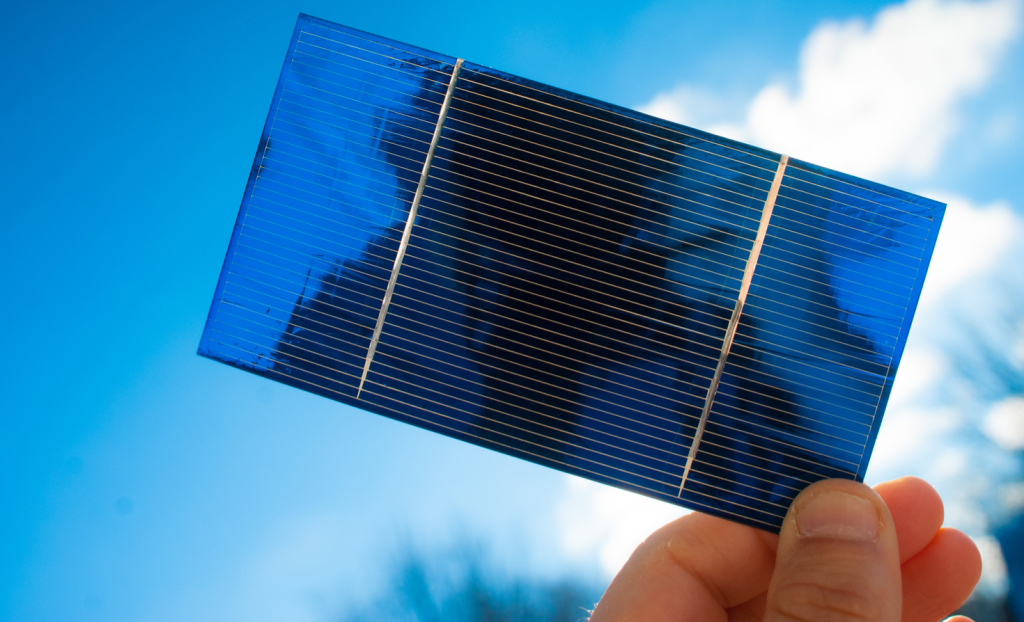
What Is Solar Panel Degradation?

Solar panel degradation refers to the gradual reduction in electricity output over time.

Modern solar panels typically degrade at:

0.5% to 0.8% per year

This means your system continues generating electricity efficiently for decades, with only a small reduction each year.

Solar Performance After 10, 20 & 25 Years

Here’s a clear breakdown of how solar performance changes over time:

Time PeriodExpected EfficiencyPerformance Insight
Year 1~98 – 99%Slight initial drop (normal)
After 10 Years92 – 95%Minimal noticeable change
After 20 Years85 – 90%Strong generation continues
After 25 Years80 – 85%Still highly functional

Even after 25 years, solar panels continue producing significant electricity.

Why Solar Panels Lose Efficiency Over Time

The gradual efficiency loss is caused by:

  • Natural ageing of photovoltaic cells
  • Exposure to sunlight (UV radiation)
  • Temperature variations
  • Environmental factors like dust and humidity

However, since solar panels have no moving parts, degradation remains slow and predictable.

First-Year Degradation Explained

Most solar panels experience a slightly higher drop in the first year:

  • Around 1% to 2% initial degradation
  • After that, performance stabilises

This is standard and has already been considered in the system design.

Does Solar Performance Drop Affect Savings?

Not significantly.

Even with gradual degradation:

  • Electricity generation remains strong
  • Savings continue for 25+ years
  • Rising electricity tariffs increase the overall value

In fact, most systems recover their cost within 3.5 to 5 years, meaning the majority of generated power is long-term savings.

Solar Panel Lifespan vs Other Equipment

Compared to other household systems:

  • Air conditioners → 8–12 years
  • Inverters → 5–10 years
  • Batteries → 3–7 years

Solar panels, however, last 25+ years, making them one of the most durable energy investments.

Factors That Affect Long-Term Solar Performance

Solar performance over time depends on:

  • Quality of solar panels
  • Installation standards
  • Mounting structure durability
  • Proper earthing and protection
  • Regular cleaning and maintenance

Two identical systems can perform differently based on installation quality.
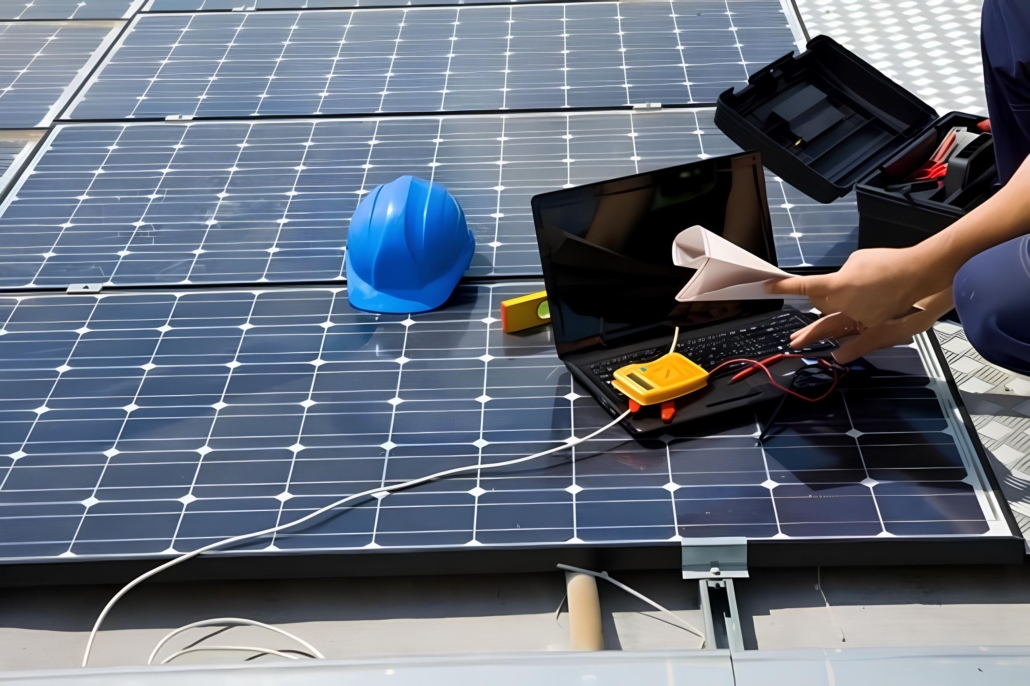
How to Maintain Solar Efficiency Over the Years

To maintain optimal performance:

  • Clean panels regularly (every 10 – 20 days in Chennai)
  • Monitor system output
  • Schedule periodic inspections
  • Avoid shading issues

Simple maintenance ensures consistent performance.

Do Solar Panels Stop Working After 25 Years?

No.

After 25 years:

  • Panels still generate 80 – 85% efficiency
  • Continue producing usable electricity
  • Can operate beyond 30 years

25 years is typically the warranty period, not the end of life.

Long-Term Value of Solar Power

Solar is not just about immediate savings.

Over its lifetime, a rooftop solar system provides:

  • Predictable electricity generation
  • Protection from rising tariffs
  • Long-term financial benefits

Even with a gradual decline in efficiency, solar remains a high-value, long-term investment.

Designing Long-Lasting Solar Systems

Solar panel performance does change over time, but slowly, predictably, and within expected limits.

At Soltrix Energy Solar, we design solar systems with long-term performance in mind, ensuring proper installation, high-quality components, and reliable output over decades.

After 25 years, your system will still be generating the majority of its original capacity, making solar one of the most reliable and durable energy solutions available today.
FAQs

Solar panels typically degrade at 0.5% to 0.8% per year, depending on quality and conditions.

Most panels operate at around 80% to 85% efficiency after 25 years.

No, they continue generating electricity beyond 25 years, though at slightly reduced efficiency.

Key factors include installation quality, panel quality, environmental conditions, and maintenance.

Yes, solar systems continue generating strong output and savings even after 20 years.

Regular cleaning, monitoring, and periodic inspections help maintain performance.

It refers to the initial drop of 1 – 2% efficiency during the first year of operation.

Yes, poor installation can lead to higher losses and reduced system lifespan.

Yes, heat, dust, humidity, and environmental exposure can impact performance over time.

Solar panels last 25 – 30 years or more, making them a long-term energy solution.

Solar Net Metering in Chennai Explained: Process, Benefits & How to Apply

If you’re planning for solar panel installation in Chennai, one of the most important concepts to understand is net metering.

It directly impacts how much you save from your solar system. But many homeowners still ask:

What is net metering, how does it work in Chennai, and how do you apply for it?

This guide explains everything from the process and benefits to approvals and timelines.

What Is Net Metering?

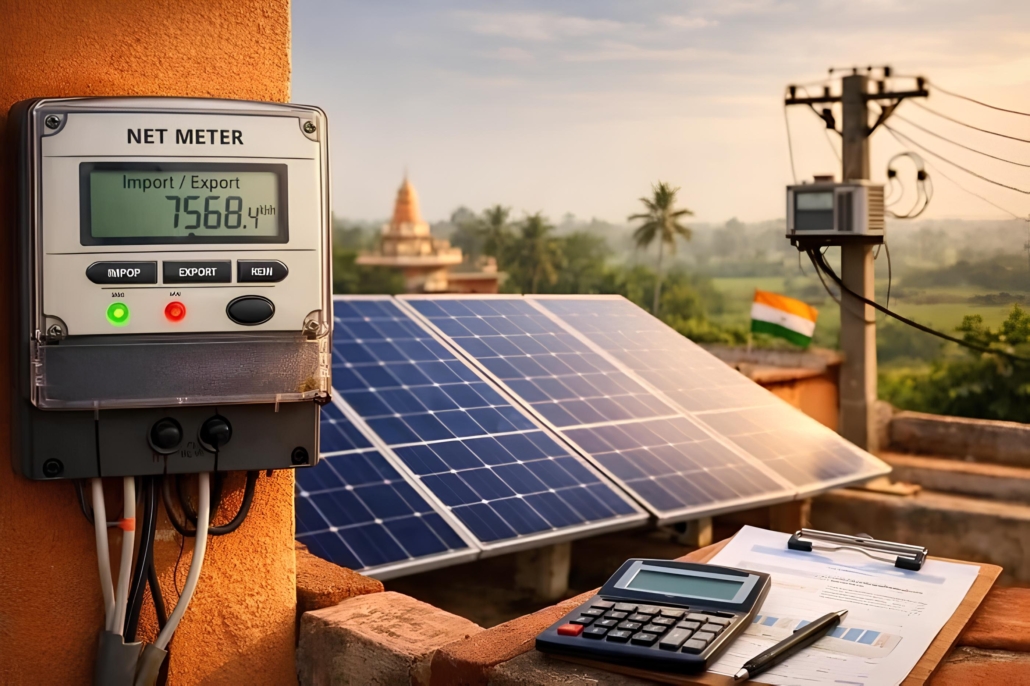
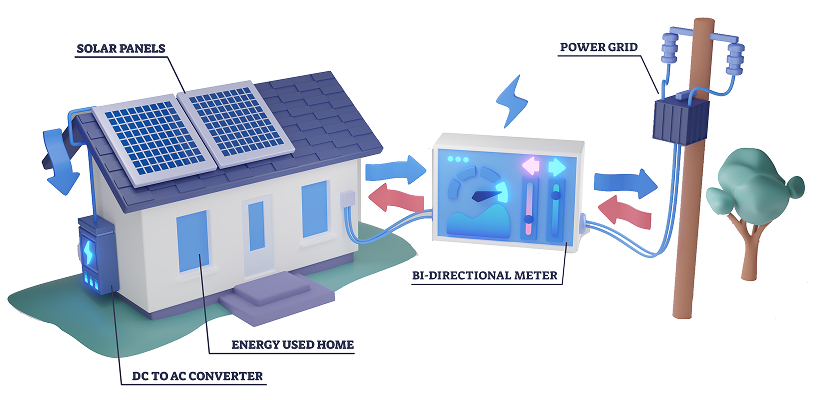
Net metering is a system that allows your rooftop solar panels to send excess electricity back to the grid.

In simple terms:

  • Solar panels generate electricity
  • Your home consumes what it needs
  • Extra electricity is exported to the grid
  • You receive credits for exported units

These credits reduce your monthly EB bill.

How Net Metering Works in Chennai

In Chennai, net metering is managed by TANGEDCO.

Here’s how it works:

StepExplanation
Solar generates powerUsed for your home first
Excess powerExported to grid
Net meter recordsImport & export units
EB bill calculationNet units billed

This ensures you only pay for the net electricity consumed.

Net Metering Eligibility in Chennai

To apply for solar net metering in Chennai, you must:

  • Have a grid-connected rooftop solar system
  • Be a residential or eligible consumer
  • Install the system through an empanelled vendor
  • Follow TANGEDCO guidelines

Documents Required for Net Metering

Typical documents include:

  • EB service connection details
  • Aadhaar / ID proof
  • Property ownership proof
  • Solar system specifications
  • Application form

1. System Design & Installer Selection

Choose a qualified installer and finalise system capacity.

2. Application Submission

Submit the net metering application to TANGEDCO with the required documents.

3. Technical Approval

TANGEDCO reviews system design and grid compatibility.

4. Solar Installation

The system is installed after approval.

5. Inspection

Authorities inspect the system for compliance.

6. Net Meter Installation

A bi-directional meter is installed to track import/export.

7. Commissioning

The system is connected to the grid and starts exporting power.

Timeline for Net Metering Approval in Chennai

The complete process typically takes:

2 to 5 weeks

This depends on:

  • Application accuracy
  • Inspection scheduling
  • Approval timelines

Types of Net Metering in Tamil Nadu

Currently, the most common system is:

  • Net metering (bi-directional billing)

Some policies may also include:

  • Net billing (in certain cases)

How Much Can You Save with Net Metering?

Net metering maximises solar savings by:

  • Reducing electricity bills
  • Allowing export of excess units
  • Improving system ROI

For example:

  • A 5kW system can offset a major portion of your EB bill
  • Higher systems can even bring bills close to zero (depending on usage)

Net Metering vs No Net Metering

FeatureWith Net MeteringWithout Net Metering
Excess powerExported to gridWasted
Bill reductionHighLimited
ROIFasterSlower
System valueMaximisedUnderutilised

Common Mistakes to Avoid

  • Choosing non-compliant installers
  • Incorrect documentation
  • Poor system design
  • Delays in application submission

Working with experienced providers helps avoid these issues.

Why Net Metering Is Essential for Solar in Chennai

Without net metering:

  • Excess solar energy is wasted

With net metering:

  • Every unit generated has value
  • Your electricity bill reduces significantly
  • Return on investment improves

Net metering is what makes rooftop solar financially viable. Without it, solar systems lose a major portion of their value.

Planning to Apply for Net Metering?

If you’re considering rooftop solar, understanding the net metering process is essential.

The right system design and proper approvals ensure you get the full benefit of solar power in Chennai.

At Soltrix Energy Solar, we handle:

  • Net metering applications
  • TANGEDCO approvals
  • System design and compliance
  • End-to-end solar installation

This ensures a smooth and hassle-free experience.

FAQs

Net metering allows solar users to export excess electricity to the grid and receive credits, reducing electricity bills.

You can apply through TANGEDCO via your installer by submitting the required documents and system details.

The process typically takes 2 to 5 weeks, depending on approvals and inspections.

Net metering is not strictly mandatory, but it is the default and preferred mechanism for domestic solar rooftop systems up to 10 kW in Chennai. It is a mandatory step for receiving PM Surya Ghar Scheme subsidies.

A bi-directional (net) meter is used to measure both import and export of electricity.

Yes, but excess electricity will not be credited, reducing overall savings.

Residential and eligible consumers with grid-connected solar systems can apply.

It can significantly reduce bills and, in some cases, bring them close to zero, depending on system size and usage.

Yes, installation through an empanelled vendor ensures compliance and smoother approval.

It is best to work with experienced providers like Soltrix Energy Solar for end-to-end support.