Solar Panel Installation on Sheet Roof: Everything You Need to Know

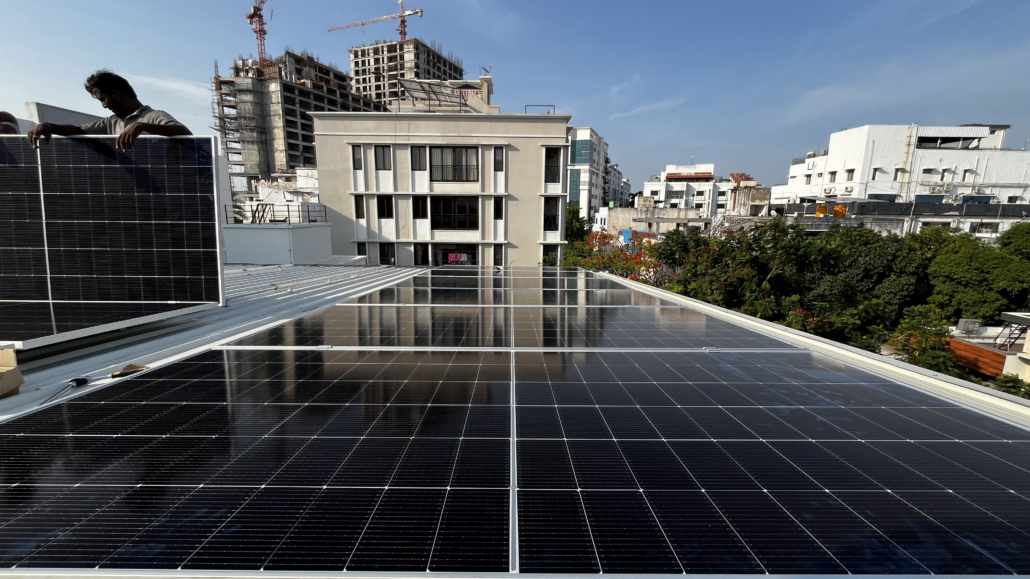
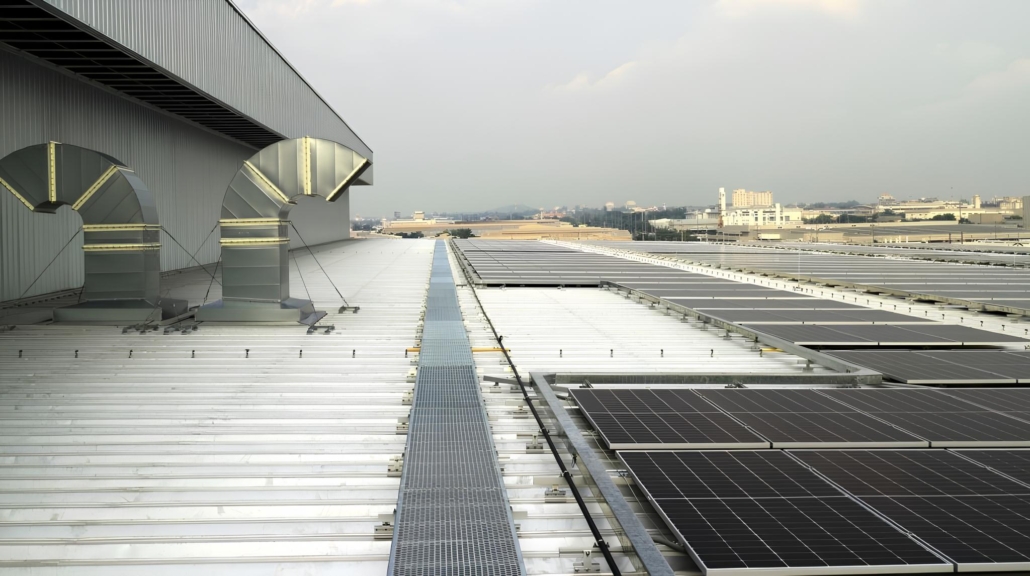
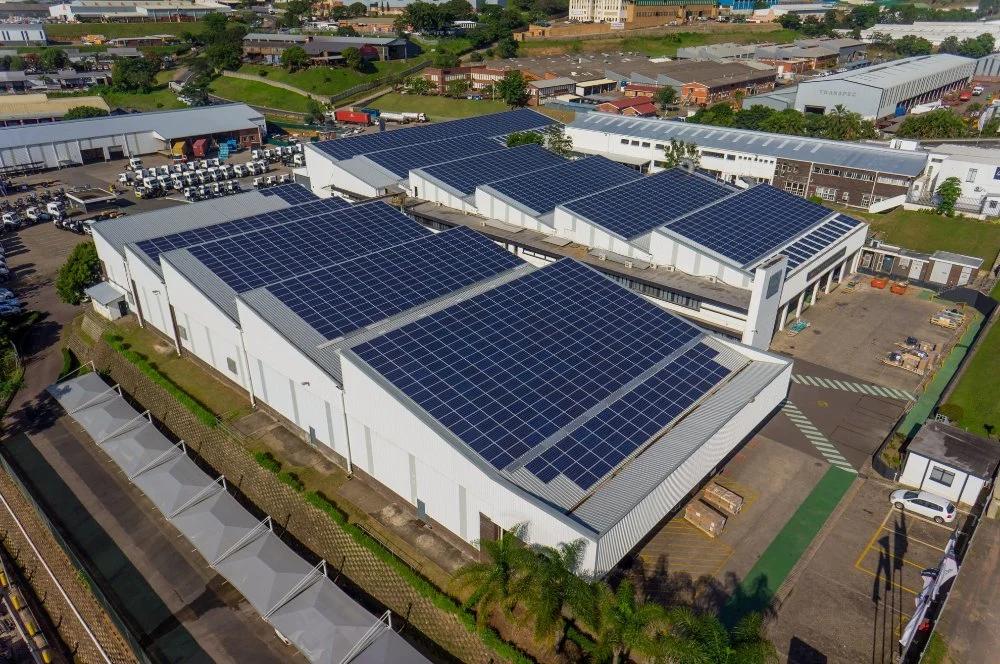
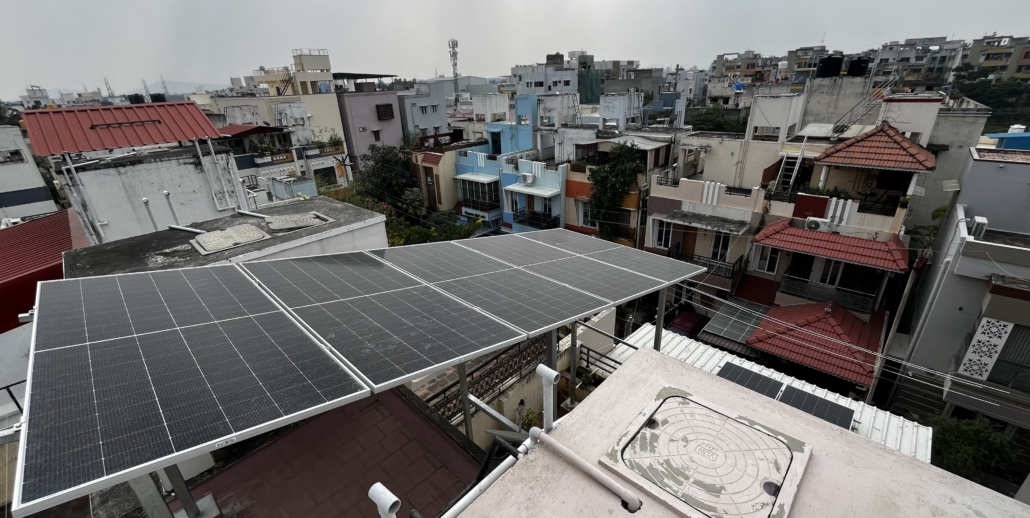
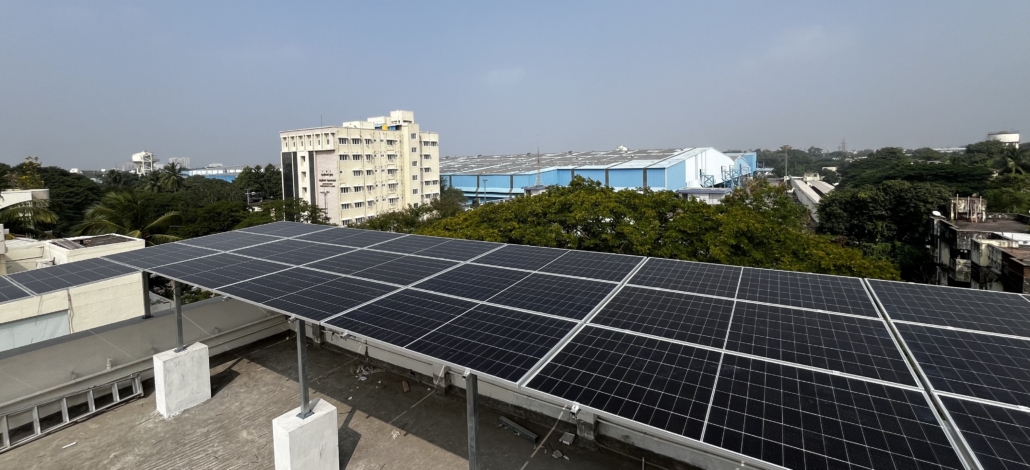
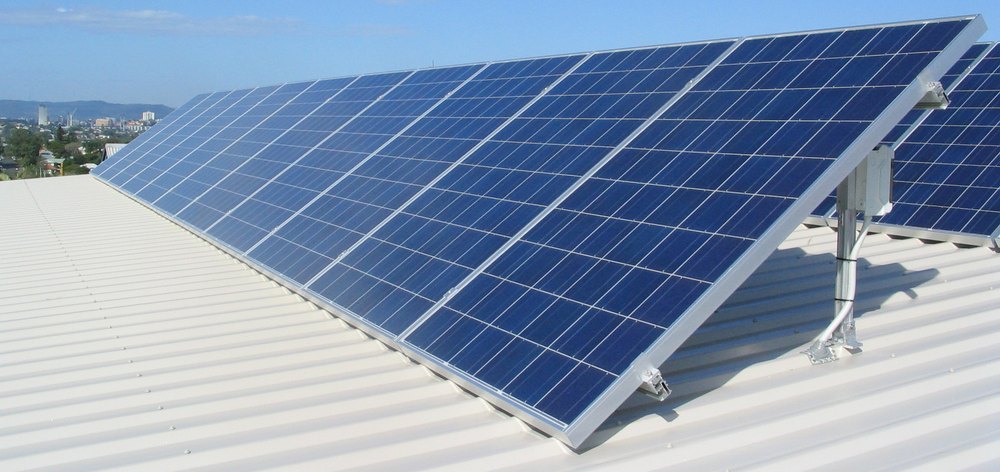
Installing solar panels is no longer limited to concrete rooftops. Today, many factories, warehouses, commercial buildings, workshops, and even residential homes use metal sheet roofs, making solar panel installation on sheet roofs an increasingly popular solution.

But many property owners still ask:

Can solar panels be safely installed on a sheet roof?

The answer is yes. With the right mounting system, structural assessment, and professional installation, sheet roofs are an excellent choice for rooftop solar.

This guide explains everything you need to know about sheet roof solar panel installation, including its benefits, installation process, structural considerations, and maintenance requirements.

Can Solar Panels Be Installed on a Sheet Roof?

Yes. Solar panels can be installed on most types of sheet roofs, provided the roof is structurally sound and suitable for carrying the additional load.

Common sheet roof types include:

  • GI (Galvanized Iron) sheet roofs
  • Colour-coated metal sheet roofs
  • PEB (Pre-Engineered Building) roofs
  • Standing seam metal roofs
  • Industrial shed roofs

These roof types are widely used for commercial, industrial, agricultural, and residential buildings.

Why Sheet Roofs Are Ideal for Solar Installation

Many commercial buildings already have large sheet roofs with minimal shading, making them ideal for solar energy generation.

Some key advantages include:

  • Large uninterrupted roof area
  • Excellent sunlight exposure
  • Faster installation
  • Easy future expansion
  • Suitable for large-capacity solar systems

For factories and warehouses, sheet roofs often provide enough space for installations ranging from 10kW to several hundred kilowatts.

Types of Buildings That Benefit from Sheet Roof Solar Installation

Solar installation on sheet roofs is suitable for:

  • Factories
  • Warehouses
  • Industrial sheds
  • Manufacturing units
  • Commercial buildings
  • Farm buildings
  • Educational institutions
  • Residential homes with metal roofing

How Solar Panels Are Mounted on Sheet Roofs

The installation method depends on the roof profile.

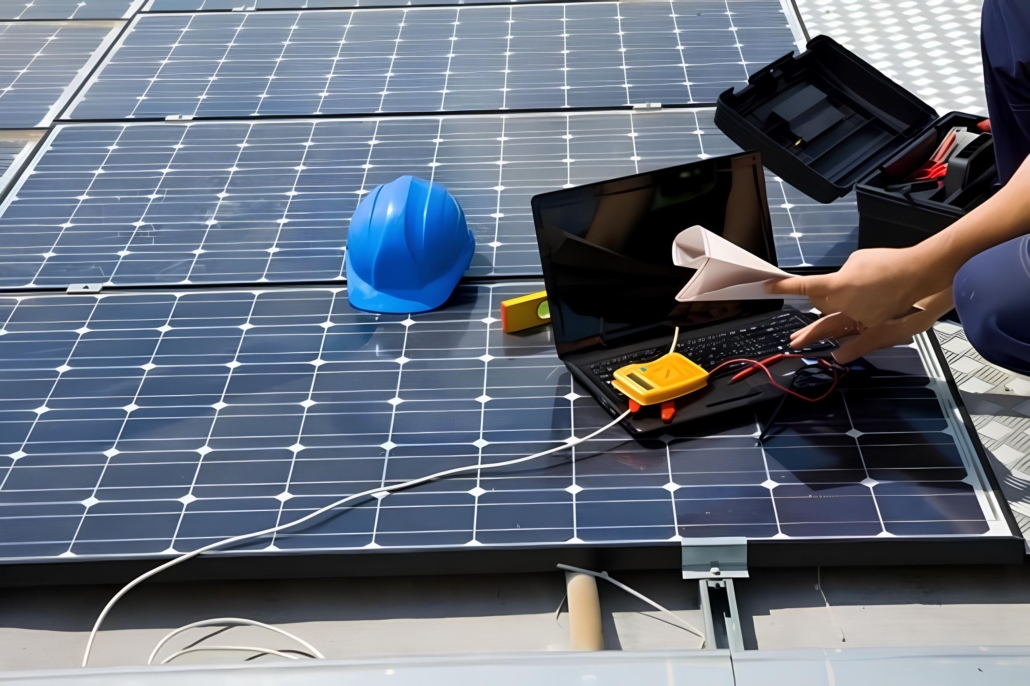
Professional installers use specially designed mounting systems that securely attach to the roof while maintaining its structural integrity.

The installation generally includes:

  • Roof inspection
  • Structural load assessment
  • Mounting structure installation
  • Solar panel installation
  • DC and AC electrical connections
  • Safety testing and commissioning

The goal is to achieve maximum strength while preventing water leakage.

Will Installing Solar Damage the Roof?

When installed correctly, solar panels do not damage sheet roofs.

Professional installers use:

  • Purpose-built mounting brackets
  • Weatherproof sealing methods
  • Corrosion-resistant fasteners
  • Proper waterproofing techniques

This protects the roof while ensuring long-term reliability.

Important Factors Before Installing Solar on a Sheet Roof

Before installation, several factors must be evaluated.

Roof Strength

The roof should be capable of supporting:

  • Solar panels
  • Mounting structures
  • Wind loads

Roof Condition

Older roofs should be inspected for:

  • Rust
  • Corrosion
  • Loose fasteners
  • Water leakage

Any repairs should be completed before installation.

Roof Orientation

The direction and tilt of the roof affect electricity generation.

A proper site survey helps determine the most efficient panel layout.

Shading Analysis

Nearby trees, buildings, and equipment should not cast shadows on the panels during peak sunlight hours.

Maintenance Requirements

Solar systems installed on sheet roofs require minimal maintenance.

Recommended practices include:

  • Cleaning panels every 20 to 30 days (especially in dusty environments)
  • Periodic inspection of mounting hardware
  • Electrical safety checks
  • Monitoring system performance

Routine maintenance helps maximise energy generation and system lifespan.

Sheet Roof Solar Installation in Chennai

Whether you own a factory, warehouse, commercial building, or a home with a metal roof, a professionally designed sheet roof solar system can help you reduce electricity costs and maximise the value of your rooftop.

At Soltrix Energy Solar, we specialise in solar panel installation on sheet roofs for residential, commercial, and industrial properties across Chennai and Tamil Nadu.

Our team conducts detailed site assessments, designs customised mounting solutions, and ensures every installation is safe, efficient, and built to deliver reliable performance for decades.

FAQs

Yes. Solar panels can be safely installed on most metal sheet roofs using specially designed mounting structures.

Yes. Sheet roofs are commonly used for factories, warehouses, industrial sheds, and commercial buildings, making them ideal for large rooftop solar systems.

No. When installed by experienced professionals using proper mounting systems and waterproofing techniques, the roof remains protected.

Common roof types include GI sheet roofs, colour-coated metal roofs, PEB roofs, standing seam roofs, and industrial shed roofs.

Most installations are completed within a few days, depending on the size and complexity of the project.

No. Performance depends primarily on sunlight exposure, panel orientation, and system design rather than the roof material itself.

Yes. Solar panels provide shade over the roof, helping reduce direct heat absorption and lowering indoor temperatures.

Cleaning every 20 to 30 days is generally recommended in Chennai and other dusty environments.

Yes. Most systems can be expanded if sufficient roof space and inverter capacity are available.

Best Time to Install Solar Panels in Chennai: When Should You Go Solar?

One of the most common questions homeowners and business owners ask before investing in rooftop solar is:

“When is the best time of year to install solar panels?”

The short answer is: the best time to install solar is before you need it.

However, certain seasons can offer practical advantages in terms of installation scheduling, energy generation, and savings. If you’re planning a rooftop solar system in Chennai, understanding seasonal factors can help you maximize your return on investment.

Let’s explore when and why you should install solar.

Is There a Best Season to Install Solar Panels?

Unlike some home improvement projects, solar panel installation can be done throughout the year.

However, each season offers different advantages.

SeasonInstallation Advantage
January – MarchPleasant weather and strong solar generation
April – JuneMaximum sunlight availability
July – SeptemberInstallation possible despite occasional rains
October – DecemberIdeal for preparing for the summer electricity demand

The key is not waiting too long and missing potential savings.

Why Installing Before Summer Makes Sense

For many households in Chennai, electricity usage peaks during summer due to:

  • Air conditioners
  • Air coolers
  • Refrigerators working harder
  • Increased fan usage

Installing solar before summer allows you to:

  • Offset higher electricity consumption
  • Reduce seasonal EB bills
  • Maximise solar generation during sunny months

Since Chennai experiences strong sunlight for much of the year, systems installed before peak summer can begin delivering savings immediately.

Solar Installation During Monsoon: Is It a Good Idea?

Many people assume solar installation should be avoided during rainy months.

In reality:

  • Installation can still be completed safely
  • Solar panels continue generating electricity even on cloudy days
  • Professional installers account for weather conditions

In fact, installing during periods of lower demand may result in faster project scheduling.

Why Waiting Can Cost More Than Installing

A common mistake homeowners make is delaying solar installation.

Every month without solar means:

  • Continued dependence on grid electricity
  • Missed savings opportunities
  • Exposure to future tariff increases

The longer the delay, the longer it takes to begin recovering the investment.

Seasonal Impact on Solar Power Generation

While solar panels generate electricity year-round, output naturally varies.

Summer

Benefits:

  • Highest solar generation
  • Longer sunlight hours
  • Maximum energy production

Monsoon

Benefits:

  • Cooler temperatures can improve panel efficiency
  • Regular rainfall may help remove dust accumulation

Winter

Benefits:

  • Stable solar generation
  • Lower panel operating temperatures

A properly designed solar power system continues producing useful electricity throughout the year.

Planning Around Government Subsidies

For residential users, government subsidy programs such as the PM Surya Ghar: Muft Bujli Yojana scheme can influence installation timing.

Homeowners should consider:

  • Current subsidy availability
  • Application timelines
  • Demand for installations

High-demand periods can sometimes increase waiting times.

Business Owners: When Should Commercial Solar Be Installed?

For businesses, the best time is often:

  • Before annual peak consumption periods
  • Before facility expansion
  • During planned infrastructure upgrades

Commercial solar systems help reduce operational expenses from day one.

Why Chennai Is Ideal for Solar Throughout the Year

Chennai enjoys:

  • High solar irradiation
  • Strong sunlight availability
  • Long solar generation hours

These conditions make rooftop solar a viable investment regardless of the installation month.

Conclusion: Planning Your Solar Installation

The best time to install solar is often sooner than most people think.

Every month your rooftop remains unused is a missed opportunity to generate clean electricity and reduce power bills. Whether you’re planning for summer savings or long-term energy independence, installing solar today allows you to start benefiting immediately.

At Soltrix Energy Solar, we help homeowners and businesses evaluate the best time to install solar based on:

  • Electricity consumption
  • Roof conditions
  • Budget considerations
  • Future energy requirements

Our goal is to ensure maximum generation and long-term savings from your solar investment.

FAQs

There is no single best month, but many homeowners prefer installing solar before summer to maximise savings during peak electricity usage.

Yes. Professional installers can safely install solar systems during the monsoon, weather permitting.

Yes. Solar panels continue generating electricity on cloudy days, although output will be lower than on sunny days.

Summer offers excellent generation potential, but demand for solar installation may also be higher. Installing before summer is often beneficial.

Not necessarily. Installation costs are generally influenced more by system design, component selection, and market conditions than by season.

Most residential rooftop solar installations are completed within 2 to 5 days, while approvals and net metering may take longer.

Solar panels generate electricity throughout the year, though production levels vary depending on sunlight availability and weather conditions.

Subsidy applications should be planned as part of the installation process. Working with an experienced installer helps ensure compliance and eligibility.

Yes. Since solar provides long-term savings for 25+ years, delaying installation usually means delaying savings.

A professional site assessment can evaluate roof space, shading, structural condition, and suitability for solar panels.

Commercial Rooftop Solar Benefits in 2026: Why Smart Businesses Are Switching to Solar Power

With rising electricity tariffs and increasing operational costs, businesses across India, especially in cities like Chennai are actively looking for ways to reduce expenses and improve efficiency.

One solution that continues to gain momentum is commercial rooftop solar.

In 2026, more companies are investing in solar power for business, not just for sustainability, but for strong financial returns.

So the key question is:

Why are business owners switching to commercial solar systems?

What Is Commercial Rooftop Solar?

Commercial rooftop solar refers to installing a solar power system on:

  • Factories
  • Warehouses
  • Office buildings
  • Retail outlets
  • Hospitals and institutions

These systems are typically larger than residential setups and are designed to handle high electricity demand during daytime operations.

Key Benefits of Commercial Rooftop Solar

1. Significant Reduction in Electricity Costs

Electricity is one of the largest operational expenses for most businesses.

With solar power installation, companies can:

  • Generate their own electricity
  • Reduce dependency on grid supply
  • Lower monthly electricity bills

This directly improves profit margins.

2. Faster Return on Investment (ROI)

Commercial solar systems offer strong financial returns.

Typical benefits include:

  • Payback period of 3 to 5 years
  • Long system life of 25+ years
  • Stable long-term savings

This makes solar a high-return infrastructure investment.

3. Protection from Rising Electricity Tariffs

Grid electricity costs tend to increase over time.

Solar helps businesses:

  • Lock in energy costs
  • Reduce exposure to tariff hikes
  • Maintain predictable operating expenses

4. Maximum Usage During Daytime

Commercial operations usually run during the day, when solar generates power.

This results in:

  • Higher self-consumption
  • Better utilisation of generated electricity
  • Improved overall system efficiency

5. Tax Benefits & Financial Advantages

Businesses can benefit from:

  • Accelerated depreciation (for eligible entities)
  • Reduced taxable income
  • Improved cash flow

This enhances overall financial viability.

6. Scalability for Future Expansion

Commercial solar systems can be:

  • Expanded over time
  • Designed for future load increases
  • Integrated with additional infrastructure

This makes solar a flexible long-term solution.

7. Enhanced Brand Image & Sustainability

Adopting solar energy for business helps:

  • Improve brand reputation
  • Meet sustainability goals
  • Align with ESG (Environmental, Social, Governance) standards
FactorGrid ElectricityCommercial Solar
Cost TrendIncreasingFixed after installation
Monthly BillsHigh & variableReduced significantly
ControlLimitedHigh control
ROINoneStrong long-term returns
SustainabilityLowHigh

Industries That Benefit Most from Solar

Commercial solar is highly effective for:

  • Manufacturing units
  • Warehouses and logistics hubs
  • IT offices and commercial complexes
  • Hospitals and educational institutions
  • Retail chains

Any business with daytime electricity usage can benefit.

Factors That Influence Commercial Solar Performance

To maximise performance, consider:

  • Roof space availability
  • Load consumption patterns
  • System design and sizing
  • Quality of components
  • Installation expertise

Proper planning ensures long-term efficiency.

Why Installation Quality Matters

Commercial solar systems are larger and more complex.

Proper installation ensures:

  • Maximum energy generation
  • Safety and compliance
  • Long-term durability

Is Commercial Rooftop Solar Worth It in 2026?

For most businesses, the answer is yes.

With rising energy costs and increasing demand for sustainable solutions, commercial solar offers:

  • Cost savings
  • Energy independence
  • Long-term financial stability

Commercial rooftop solar is no longer just an alternative energy option; it is becoming a strategic business decision.

At Soltrix Energy Solar, we design commercial solar systems based on:

  • Business energy consumption
  • Roof structure
  • Operational patterns

We provide complete support from design to installation and approvals, ensuring reliable performance.

FAQs

It is a solar power system installed on commercial buildings to generate electricity for business operations.

Yes, especially for businesses with high daytime electricity usage.

Most systems offer a payback period of 3 to 5 years, depending on usage.

Yes, when properly designed, solar systems can support significant commercial energy demand.

Subsidies are generally limited to residential systems, but businesses benefit from tax incentives and savings.

It depends on system size, but larger rooftops allow for higher capacity installations.

Yes, it significantly reduces monthly electricity expenses.

Yes, systems can be scaled based on future requirements.

Regular cleaning and periodic inspections are usually sufficient.

Solar panels typically last 25+ years, making them a long-term investment.

Solar Panel Performance Over Time: How Efficiency Changes After 10, 20 & 25 Years

When investing in rooftop solar, one of the most important questions homeowners ask is:

How does solar panel performance change over time?

Solar panels are designed to last 25 years or more, but like any long-term system, their efficiency gradually declines. Understanding solar panel degradation, long-term performance, and efficiency loss helps you make a better investment decision.

This guide explains exactly what happens to your solar power system after 10, 20, and 25 years.

What Is Solar Panel Degradation?

Solar panel degradation refers to the gradual reduction in electricity output over time.

Modern solar panels typically degrade at:

0.5% to 0.8% per year

This means your system continues generating electricity efficiently for decades, with only a small reduction each year.

Solar Performance After 10, 20 & 25 Years

Here’s a clear breakdown of how solar performance changes over time:

Time PeriodExpected EfficiencyPerformance Insight
Year 1~98 – 99%Slight initial drop (normal)
After 10 Years92 – 95%Minimal noticeable change
After 20 Years85 – 90%Strong generation continues
After 25 Years80 – 85%Still highly functional

Even after 25 years, solar panels continue producing significant electricity.

Why Solar Panels Lose Efficiency Over Time

The gradual efficiency loss is caused by:

  • Natural ageing of photovoltaic cells
  • Exposure to sunlight (UV radiation)
  • Temperature variations
  • Environmental factors like dust and humidity

However, since solar panels have no moving parts, degradation remains slow and predictable.

First-Year Degradation Explained

Most solar panels experience a slightly higher drop in the first year:

  • Around 1% to 2% initial degradation
  • After that, performance stabilises

This is standard and has already been considered in the system design.

Does Solar Performance Drop Affect Savings?

Not significantly.

Even with gradual degradation:

  • Electricity generation remains strong
  • Savings continue for 25+ years
  • Rising electricity tariffs increase the overall value

In fact, most systems recover their cost within 3.5 to 5 years, meaning the majority of generated power is long-term savings.

Solar Panel Lifespan vs Other Equipment

Compared to other household systems:

  • Air conditioners → 8–12 years
  • Inverters → 5–10 years
  • Batteries → 3–7 years

Solar panels, however, last 25+ years, making them one of the most durable energy investments.

Factors That Affect Long-Term Solar Performance

Solar performance over time depends on:

  • Quality of solar panels
  • Installation standards
  • Mounting structure durability
  • Proper earthing and protection
  • Regular cleaning and maintenance

Two identical systems can perform differently based on installation quality.

How to Maintain Solar Efficiency Over the Years

To maintain optimal performance:

  • Clean panels regularly (every 10 – 20 days in Chennai)
  • Monitor system output
  • Schedule periodic inspections
  • Avoid shading issues

Simple maintenance ensures consistent performance.

Do Solar Panels Stop Working After 25 Years?

No.

After 25 years:

  • Panels still generate 80 – 85% efficiency
  • Continue producing usable electricity
  • Can operate beyond 30 years

25 years is typically the warranty period, not the end of life.

Long-Term Value of Solar Power

Solar is not just about immediate savings.

Over its lifetime, a rooftop solar system provides:

  • Predictable electricity generation
  • Protection from rising tariffs
  • Long-term financial benefits

Even with a gradual decline in efficiency, solar remains a high-value, long-term investment.

Designing Long-Lasting Solar Systems

Solar panel performance does change over time, but slowly, predictably, and within expected limits.

At Soltrix Energy Solar, we design solar systems with long-term performance in mind, ensuring proper installation, high-quality components, and reliable output over decades.

After 25 years, your system will still be generating the majority of its original capacity, making solar one of the most reliable and durable energy solutions available today.

FAQs

Solar panels typically degrade at 0.5% to 0.8% per year, depending on quality and conditions.

Most panels operate at around 80% to 85% efficiency after 25 years.

No, they continue generating electricity beyond 25 years, though at slightly reduced efficiency.

Key factors include installation quality, panel quality, environmental conditions, and maintenance.

Yes, solar systems continue generating strong output and savings even after 20 years.

Regular cleaning, monitoring, and periodic inspections help maintain performance.

It refers to the initial drop of 1 – 2% efficiency during the first year of operation.

Yes, poor installation can lead to higher losses and reduced system lifespan.

Yes, heat, dust, humidity, and environmental exposure can impact performance over time.

Solar panels last 25 – 30 years or more, making them a long-term energy solution.

Solar Net Metering in Chennai Explained: Process, Benefits & How to Apply

If you’re planning for solar panel installation in Chennai, one of the most important concepts to understand is net metering.

It directly impacts how much you save from your solar system. But many homeowners still ask:

What is net metering, how does it work in Chennai, and how do you apply for it?

This guide explains everything from the process and benefits to approvals and timelines.

What Is Net Metering?

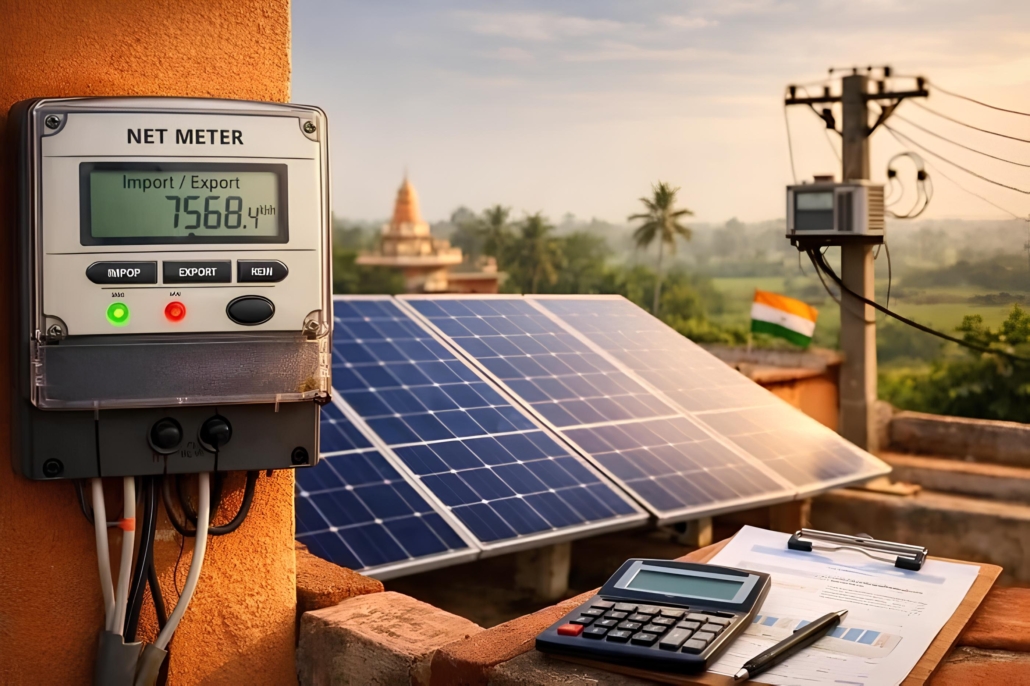
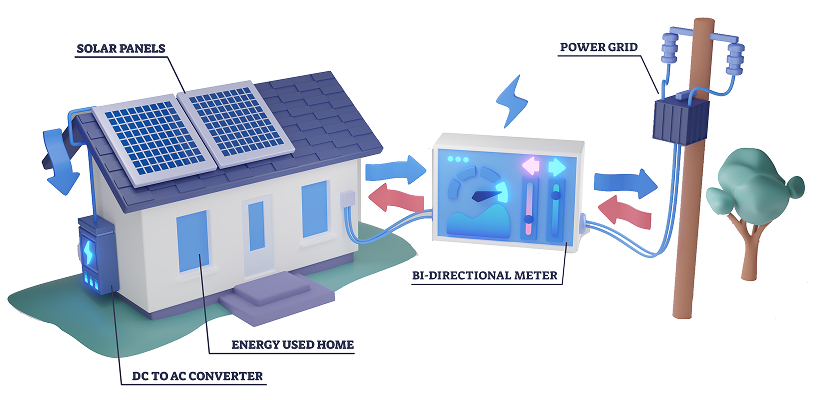
Net metering is a system that allows your rooftop solar panels to send excess electricity back to the grid.

In simple terms:

  • Solar panels generate electricity
  • Your home consumes what it needs
  • Extra electricity is exported to the grid
  • You receive credits for exported units

These credits reduce your monthly EB bill.

How Net Metering Works in Chennai

In Chennai, net metering is managed by TANGEDCO.

Here’s how it works:

StepExplanation
Solar generates powerUsed for your home first
Excess powerExported to grid
Net meter recordsImport & export units
EB bill calculationNet units billed

This ensures you only pay for the net electricity consumed.

Net Metering Eligibility in Chennai

To apply for solar net metering in Chennai, you must:

  • Have a grid-connected rooftop solar system
  • Be a residential or eligible consumer
  • Install the system through an empanelled vendor
  • Follow TANGEDCO guidelines

Documents Required for Net Metering

Typical documents include:

  • EB service connection details
  • Aadhaar / ID proof
  • Property ownership proof
  • Solar system specifications
  • Application form

1. System Design & Installer Selection

Choose a qualified installer and finalise system capacity.

2. Application Submission

Submit the net metering application to TANGEDCO with the required documents.

3. Technical Approval

TANGEDCO reviews system design and grid compatibility.

4. Solar Installation

The system is installed after approval.

5. Inspection

Authorities inspect the system for compliance.

6. Net Meter Installation

A bi-directional meter is installed to track import/export.

7. Commissioning

The system is connected to the grid and starts exporting power.

Timeline for Net Metering Approval in Chennai

The complete process typically takes:

2 to 5 weeks

This depends on:

  • Application accuracy
  • Inspection scheduling
  • Approval timelines

Types of Net Metering in Tamil Nadu

Currently, the most common system is:

  • Net metering (bi-directional billing)

Some policies may also include:

  • Net billing (in certain cases)

How Much Can You Save with Net Metering?

Net metering maximises solar savings by:

  • Reducing electricity bills
  • Allowing export of excess units
  • Improving system ROI

For example:

  • A 5kW system can offset a major portion of your EB bill
  • Higher systems can even bring bills close to zero (depending on usage)

Net Metering vs No Net Metering

FeatureWith Net MeteringWithout Net Metering
Excess powerExported to gridWasted
Bill reductionHighLimited
ROIFasterSlower
System valueMaximisedUnderutilised

Common Mistakes to Avoid

  • Choosing non-compliant installers
  • Incorrect documentation
  • Poor system design
  • Delays in application submission

Working with experienced providers helps avoid these issues.

Why Net Metering Is Essential for Solar in Chennai

Without net metering:

  • Excess solar energy is wasted

With net metering:

  • Every unit generated has value
  • Your electricity bill reduces significantly
  • Return on investment improves

Net metering is what makes rooftop solar financially viable. Without it, solar systems lose a major portion of their value.

Planning to Apply for Net Metering?

If you’re considering rooftop solar, understanding the net metering process is essential.

The right system design and proper approvals ensure you get the full benefit of solar power in Chennai.

At Soltrix Energy Solar, we handle:

  • Net metering applications
  • TANGEDCO approvals
  • System design and compliance
  • End-to-end solar installation

This ensures a smooth and hassle-free experience.

FAQs

Net metering allows solar users to export excess electricity to the grid and receive credits, reducing electricity bills.

You can apply through TANGEDCO via your installer by submitting the required documents and system details.

The process typically takes 2 to 5 weeks, depending on approvals and inspections.

Net metering is not strictly mandatory, but it is the default and preferred mechanism for domestic solar rooftop systems up to 10 kW in Chennai. It is a mandatory step for receiving PM Surya Ghar Scheme subsidies.

A bi-directional (net) meter is used to measure both import and export of electricity.

Yes, but excess electricity will not be credited, reducing overall savings.

Residential and eligible consumers with grid-connected solar systems can apply.

It can significantly reduce bills and, in some cases, bring them close to zero, depending on system size and usage.

Yes, installation through an empanelled vendor ensures compliance and smoother approval.

It is best to work with experienced providers like Soltrix Energy Solar for end-to-end support.

Rooftop Solar Power in Chennai, Tamil Nadu

With rising electricity bills and increasing energy demand, rooftop solar power in Chennai, Tamil Nadu is becoming one of the most practical solutions for homeowners.

Chennai’s strong sunlight conditions make it ideal for installing rooftop solar panels, allowing homes to generate their own electricity and reduce dependence on EB power.

If you’re planning to switch, this guide explains everything: cost, subsidy, savings, and system options.

Why Rooftop Solar Power Works Well in Chennai

Chennai receives abundant sunlight throughout the year, making rooftop solar power highly efficient.

Key benefits include:

  • Consistent solar generation
  • Reduced electricity bills
  • Lower dependence on grid power
  • Long-term energy savings

This makes rooftop solar panels in Chennai a reliable investment for homes and villas.

Cost of Rooftop Solar Panels in Chennai

The cost of rooftop solar panels depends on system size, quality, and installation standards.

Typical Rooftop Solar System Pricing (Chennai)

System SizePrice RangePrice After Subsidy
3kW Solar System₹2.10 – ₹2.20 lakhs₹1.30 – ₹1.40 lakhs
5kW Solar System₹3.10 – ₹3.20 lakhs₹2.30 – ₹2.40 lakhs
7kW Solar System₹4.10 – ₹4.30 lakhs₹3.30 – ₹3.50 lakhs

These prices include a complete rooftop solar installation, such as panels, inverter, structure, wiring, and commissioning.

Government Subsidy for Rooftop Solar in Chennai

Homeowners installing rooftop solar panels in Chennai, Tamil Nadu, can benefit from the central government’s PM Surya Ghar: Muft Bijli Yojana subsidy.

Subsidy Structure:

  • ₹30,000 per kW up to 2kW
  • ₹18,000 per kW for the next 1kW
  • Maximum subsidy: ₹78,000

This applies only to residential systems installed through an empanelled vendor.

How Much Electricity Can Rooftop Solar Generate?

In Chennai’s climate:

  • 1kW system → 4 to 5 units/day
  • 3kW system → 12 to 15 units/day
  • 5kW system → 20 to 25 units/day
  • 7kW system → 28 to 35 units/day

This makes rooftop solar power in Chennai highly effective for reducing electricity bills.

Monthly Savings from Rooftop Solar

Depending on system size:

  • 3kW → ₹2,500 – ₹4,500/month
  • 5kW → ₹4,500 – ₹8,000/month
  • 7kW → ₹7,000 – ₹12,000/month

Over time, this results in significant long-term savings.

Types of Rooftop Solar Systems

On-Grid Solar System

  • Connected to EB grid
  • Most cost-effective
  • Uses net metering

Hybrid Solar System

  • Includes battery backup
  • Works during power cuts

Off-Grid Solar System

  • Fully independent
  • Suitable for remote areas

Roof Space Required for Rooftop Solar Panels

Approximate requirements:

  • 3kW → 250–300 sq. ft.
  • 5kW → 450–550 sq. ft.
  • 7kW → 650–750 sq. ft.

Shadow-free rooftop is essential for optimal performance.

Why Installation Quality Matters

The performance of rooftop solar panels depends heavily on:

  • System design
  • Panel placement
  • Wiring quality
  • Safety components

Proper rooftop solar installation ensures long-term efficiency and durability.

Rooftop Solar Panel Installation in Chennai

At Soltrix Energy Solar, we specialise in designing and installing rooftop solar power systems in Chennai and across Tamil Nadu.

We provide:

  • Custom system sizing
  • High-quality components
  • Professional installation
  • Support for subsidies and net metering

Our focus is on delivering reliable, long-term solar solutions.

With high sunlight availability, rising electricity costs, and government subsidy support, rooftop solar power in Chennai offers:

  • Strong return on investment
  • Long-term savings
  • Energy independence

For most homeowners in Chennai and across Tamil Nadu, it is a practical and future-ready solution.

FAQs

The cost ranges from ₹2.10 lakhs for 3kW to ₹4.30 lakhs for 7kW, depending on system size and quality.

Homeowners can get up to ₹78,000 subsidy under the central government’s PM Surya Ghar: Muft Bijli Yojana scheme.

A 5kW system can generate 600–750 units per month, depending on sunlight.

Yes, due to high sunlight and rising electricity costs, solar offers strong long-term savings.

Yes, net metering is available in Chennai through TANGEDCO, allowing homeowners to export excess electricity and receive credits.

Most panels last at least 25 years and beyond, with a gradual decline in efficiency.

Savings range from ₹2,500 to ₹12,000 per month, depending on system size

Excess electricity is exported to the grid through net metering and adjusted in your EB bill.

On-grid systems do not work during outages. Hybrid systems with batteries can provide backup.

In Chennai, cleaning is recommended once a month due to dust and pollution.

It depends on the system size. For example, A 5kW system requires about 450–550 sq. ft. of shadow-free roof space.

Solar panel installation typically takes 2–4 days, while approvals and net metering may take 2–5 weeks

Yes, solar panels degrade slightly (around 0.5% per year), but still perform efficiently for over 25 years if cleaned and maintained properly.

Solar panels can be installed on RCC, metal, or tiled roofs, provided there is sufficient shadow-free space.

Yes, solar panels still generate electricity during cloudy weather, but at reduced efficiency.

Yes, homes with solar systems often have higher property value due to reduced electricity costs and energy independence.

Yes, due to high sunlight and rising tariffs in Chennai, solar offers strong long-term savings and ROI.

10kW Solar Panel Price in Chennai (2026): Cost, Subsidy, Savings & Complete Guide

As electricity consumption continues to rise in Chennai, especially for large homes, villas, and commercial spaces, many property owners are now considering high-capacity rooftop solar systems.

A 10kW solar system is one of the most powerful residential setups available, capable of significantly reducing electricity bills and supporting heavy loads.

But the key question is:

What is the 10kW solar panel price in Chennai?

This guide covers cost, subsidy, electricity generation, savings, and whether a 10kW system is the right investment for you.

10kW Solar Panel Price in Chennai

The 10kW solar panel price in Chennai typically ranges between:

₹5.80 lakhs to ₹6.20 lakhs

for a complete, professionally installed rooftop solar system.

This includes:

  • High-efficiency solar panels
  • Grid-connected inverter (or multiple inverters)
  • Heavy-duty mounting structure
  • DC & AC wiring
  • Earthing and lightning protection
  • Installation and commissioning

This pricing reflects a premium, engineering-focused installation for long-term performance.

Price After Government Subsidy

Under the central rooftop solar subsidy scheme:

  • Subsidy applicable only up to 3kW slab
  • Maximum subsidy = ₹78,000

So for a 10kW system, the effective cost becomes:

₹5.00 lakhs to ₹5.40 lakhs

Even though the subsidy is capped, larger systems deliver higher absolute savings.

10kW Solar System: Key Comparison

Feature10kw Solar System
Price (Chennai)Villas, large homes, and commercial use
Price After Subsidy₹5.00 – ₹5.40 lakhs
Daily Generation40 – 50 units
Monthly Generation1200 – 1500 units
Monthly Savings₹10,000 – ₹18,000
Roof Space Required900 – 1100 sq. ft.
Ideal forVillas, large homes, commercial use

Electricity Generation from a 10kW System

In Chennai’s sunlight conditions, a 10kW solar system can generate:

  • 40 to 50 units per day
  • 1200 to 1500 units per month

This is sufficient for:

  • Multiple AC units
  • Heavy appliances
  • High daily consumption

Monthly Savings & ROI

With this level of generation, homeowners can reduce electricity bills by:

₹10,000 to ₹18,000 per month

Over time:

  • Payback period → 3.5 to 5 years
  • Lifespan → 25+ years
  • Long-term savings → Significant

Roof Space Requirement for 10kW

A 10kW rooftop solar system requires approximately:

900 to 1100 sq. ft. of shadow-free rooftop area

Proper design ensures maximum energy output.

Who Should Choose a 10kW Solar System?

A 10kW system is ideal for:

  • Large villas and independent houses
  • Homes with 4 – 6 air conditioners
  • Commercial buildings and offices
  • High electricity bill users

What Affects 10kW Solar System Cost?

The final 10kW solar setup cost in Chennai depends on:

  • Panel technology (Mono, TOPCon)
  • Inverter configuration
  • Structure quality
  • Roof type
  • Safety components

Higher engineering standards ensure better durability and performance.

Why Installation Quality Is Critical for 10kW

Large systems require:

  • Accurate load planning
  • Strong mounting structures
  • Advanced electrical protection

Poor installation can lead to:

  • Efficiency loss
  • Safety risks
  • Long-term issues

Is a 10kW Solar System Worth It?

For high-consumption users, a 10kW system offers:

  • Maximum electricity bill reduction
  • Strong ROI
  • Long-term energy independence

With Chennai’s sunlight conditions, it is one of the most powerful solar investments available.

At Soltrix Energy Solar, we design high-capacity solar power systems tailored to:

  • Actual electricity consumption
  • Roof layout and conditions
  • Chennai climate
  • Future expansion needs

We also assist with subsidy and net metering approvals in Chennai and across Tamil Nadu.

FAQs

The price ranges between ₹5.80 lakhs to ₹6.20 lakhs for a complete system.

After subsidy (₹78,000), the effective cost is ₹5.00 to ₹5.40 lakhs.

It generates approximately 40 – 50 units per day.

Around 1200 – 1500 units per month.

You can save ₹10,000 to ₹18,000 per month, depending on usage.

Around 900 – 1100 sq. ft. of shadow-free rooftop area.

Yes, it is ideal for villas and high-consumption households.

Typically, 3.5 to 5 years.

Yes, it can support multiple AC units and heavy appliances.

On-grid systems do not. Hybrid systems with battery backup are required.

Yes, depending on the inverter setup and roof space.

7kW Solar Panel Price in Chennai (2026): Cost, Subsidy, Savings & Complete Guide

As electricity consumption continues to rise in Chennai, especially with heavy air conditioner usage, many homeowners are now moving beyond 3kW and 5kW systems to higher-capacity solutions.

A 7kW rooftop solar system is ideal for larger homes and villas with high electricity demand.

But the key question is:

What is the 7kW solar panel price in Chennai?

This guide covers cost, subsidy, generation, savings, and whether a 7kW system is the right choice for your home.

7kW Solar Panel Price in Chennai

The 7kW solar panel price in Chennai typically ranges between:

₹4.10 lakhs to ₹4.30 lakhs

for a complete, professionally installed rooftop solar system.

This includes:

  • High-efficiency solar panels
  • Grid-connected inverter
  • Heavy-duty mounting structure
  • DC & AC wiring
  • Earthing and lightning protection
  • Installation and commissioning

This pricing reflects a premium, engineering-focused installation designed for long-term performance.

Price After Government Subsidy

Under the government PM Surya Ghar: Muft Bijli Yojana solar subsidy scheme:

  • Subsidy is applicable only up to 3kW slab
  • Maximum subsidy = ₹78,000

For a 7kW solar system, the effective cost becomes:

₹3.30 lakhs to ₹3.50 lakhs

Even with the subsidy cap, larger systems deliver better total savings over time.

7kW Solar System: Quick Comparison

Feature7kW Solar System
Price (Chennai)₹4.10 – ₹4.30 lakhs
Price After Subsidy₹3.30 – ₹3.50 lakhs
Daily Generation28 – 35 units
Monthly Generation850 – 1050 units
Monthly Savings₹7,000 – ₹12,000
Monthly Savings650 – 750 sq. ft.
Ideal ForHigh consumption homes / villas

Electricity Generation from a 7kW System

Thanks to Chennai’s strong solar irradiation, a 7kW system can generate:

  • 28 to 35 units per day
  • 850 to 1050 units per month

This makes it suitable for homes with:

  • Multiple air conditioners
  • Heavy appliance usage
  • High daytime consumption

Monthly Savings from a 7kW Solar System

A well-designed 7kW system can reduce electricity bills by:

₹7,000 to ₹12,000 per month

For large homes, this results in substantial annual savings.

The typical payback period is:

3.5 to 5 years

After that, the electricity generated contributes directly to savings.

Monthly Savings from a 7kW Solar System

A well-designed 7kW system can reduce electricity bills by:

₹7,000 to ₹12,000 per month

For large homes, this results in substantial annual savings.

The typical payback period is:

3.5 to 5 years

After that, the electricity generated contributes directly to savings.

Roof Space Required for 7kW Solar

A 7kW rooftop solar system requires approximately:

650 to 750 sq. ft. of shadow-free rooftop area

Proper layout and tilt ensure maximum generation efficiency.

Who Should Choose a 7kW Solar System?

A 7kW system is ideal for:

  • Large independent houses and villas
  • Homes with 3–5 air conditioners
  • High electricity bill households
  • Families planning long-term energy savings

7kW vs Smaller Systems

Compared to 3kW and 5kW:

  • Higher upfront cost
  • Significantly higher generation
  • Better long-term savings
  • More efficient cost per unit over time

Larger systems are often more economical in the long run.

What Affects 7kW Solar System Cost?

The final 7kW solar setup cost in Chennai depends on:

  • Panel efficiency (Mono / TOPCon)
  • Inverter capacity and brand
  • Structure quality
  • Roof type
  • Safety systems

High-quality systems deliver better durability and performance.

Why Installation Quality Matters More for 7kW

For larger systems, poor installation can lead to:

  • Generation loss
  • Safety risks
  • Maintenance issues

A properly engineered system ensures:

  • Consistent output
  • Safe operation
  • Long-term reliability

Is a 7kW Solar System Worth It?

For high-consumption homes, a 7kW system offers:

  • Maximum bill reduction
  • Strong long-term ROI
  • Protection from rising EB tariffs

With Chennai’s sunlight conditions, it is one of the most effective energy investments. Choosing the right system size is critical to maximising savings.

At Soltrix Energy Solar, we design high-capacity rooftop solar systems based on:

  • Actual consumption patterns
  • Roof conditions
  • Chennai climate factors
  • Future energy needs

We also support subsidy and net metering processes for seamless installation.

FAQs

The 7kW solar panel price in Chennai typically ranges between ₹4.10 lakhs to ₹4.30 lakhs for a complete rooftop system, including panels, inverter, structure, and installation.

After applying the central government subsidy (up to ₹78,000), the effective cost of a 7kW solar system comes to approximately ₹3.30 lakhs to ₹3.50 lakhs.

A 7kW solar system in Chennai can generate around 28 to 35 units per day, which equals 850 to 1050 units per month, depending on sunlight and system design.

A 7kW solar system can comfortably support 3 to 5 air conditioners, along with other household appliances, depending on usage patterns.

A 7kW rooftop solar system typically requires around 650 to 750 sq. ft. of shadow-free space for optimal performance.

A 7kW system is ideal for homes with high electricity consumption, especially those using multiple ACs, pumps, and other heavy appliances.

Most 7kW systems recover their cost within 3.5 to 5 years, depending on electricity usage and tariff rates.

A standard on-grid 7kW system will not operate during power cuts for safety reasons. However, a hybrid system with battery backup can provide power during outages.

Yes, solar systems can be expanded, but it depends on inverter capacity and roof space. Planning ahead helps ensure smoother upgrades.

It is recommended to choose experienced and empanelled vendors like Soltrix Energy Solar to ensure proper system design, installation quality, and long-term performance.

3kW vs 5kW Solar System in Chennai: Which One Is Right for You?

Choosing the right solar system size is one of the most important decisions when going solar. For most homeowners in Chennai, the confusion usually comes down to:

Should you choose a 3kW or 5kW solar system?

Both are popular residential options, but the right choice depends on your electricity usage, roof space, and long-term goals.

This guide compares 3kW vs 5kW solar systems in terms of cost, savings, generation, and suitability.

3kW vs 5kW Solar System: Quick Comparison

Feature3kW Solar System5kW Solar System
Price (Chennai)₹2.10 – ₹2.20 lakhs₹3.10 – ₹3.20 lakhs
Price After Subsidy₹1.30 – ₹1.40 lakhs₹2.30 – ₹2.40 lakhs
Daily Generation12–15 units20–25 units
Monthly Generation350–450 units600–750 units
Monthly Savings₹2,500 – ₹4,500₹4,500 – ₹8,000
Roof Space Required250–300 sq. ft.450–550 sq. ft.
Ideal ForModerate usage homesHigh usage / AC-heavy homes

Understanding the Core Difference

The main difference between a 3kW and 5kW solar system is capacity.

  • A 3kW system generates enough electricity for basic to moderate household needs
  • A 5kW system supports higher consumption, especially homes using multiple air conditioners

Choosing the wrong size can either limit savings or lead to underutilisation.

Cost Comparison: 3kW vs 5kW in Chennai

Based on current installation standards:

  • 3kW solar system → ₹2.10 to ₹2.20 lakhs
  • 5kW solar system → ₹3.10 to ₹3.20 lakhs

While the 5kW system costs more upfront, the cost per kW is lower, making it more cost-efficient in the long run.

Subsidy Impact

Both systems are eligible for the PM Surya Ghar: Muft Bijli Yojana government subsidy.

  • 3kW system → up to ₹78,000 subsidy
  • 5kW system → subsidy capped at ₹78,000

This means:

  • 3kW gets a proportionally higher subsidy benefit
  • 5kW delivers higher total savings despite subsidy cap

Electricity Generation Comparison

3kW System

  • Suitable for moderate usage
  • Covers basic appliances and limited AC usage

5kW System

  • Designed for higher consumption
  • Can support multiple ACs and heavy loads

In Chennai’s climate, solar performs well throughout the year, making both systems viable.

Savings Comparison

A 5kW system generates more electricity, leading to:

  • Higher monthly savings
  • Faster overall value over time

While a 3kW system is more budget-friendly, a 5kW system delivers greater long-term financial impact.

Roof Space Consideration

Before choosing, check your rooftop:

  • 3kW → 250–300 sq. ft.
  • 5kW → 450–550 sq. ft.

If space is limited, 3kW may be the practical choice.

Which One Should You Choose?

Choose 3kW if:

  • Your monthly EB bill is moderate
  • You have limited roof space
  • You want a lower upfront investment

Choose 5kW if:

  • You use multiple air conditioners
  • Your electricity bill is high
  • You want maximum long-term savings
  • You have sufficient roof space

Long-Term Perspective

Solar is a 25+ year investment.

While a 3kW system reduces bills, a 5kW system:

  • Offsets more electricity
  • Protects against future tariff hikes
  • Offers better value over time

Why System Design Matters More Than Size

Even the best system size can underperform if not designed properly.

Key factors include:

  • Panel placement
  • Inverter sizing
  • Wiring quality
  • Safety systems

This is where professional installation becomes critical.

Planning Solar in Chennai

At Soltrix Energy Solar, we help homeowners choose the right system size based on:

  • Actual electricity consumption
  • Roof conditions
  • Future expansion plans

Our goal is to ensure your solar system delivers consistent performance and maximum savings.

Choosing between 3kW and 5kW of solar isn’t just about price; it’s about matching the system to your actual needs.

FAQs

The better option depends on your electricity usage. A 3kW system is suitable for moderate consumption, while a 5kW system is better for homes with higher usage and multiple air conditioners.

A 3kW solar system typically costs ₹2.10 – ₹2.20 lakhs, while a 5kW system costs around ₹3.10 – ₹3.20 lakhs, depending on system quality and installation.

A 5kW system generates around 20 – 25 units per day, while a 3kW system produces 12 – 15 units per day, making the 5kW system significantly more powerful.

A 3kW system is enough for small to medium-sized homes with moderate electricity usage, but may not fully support heavy AC usage.

Yes, a 5kW system is ideal for independent houses and villas, especially those with high electricity consumption and multiple appliances.

A 5kW system offers higher monthly savings due to greater electricity generation, though it requires a higher initial investment.

Both systems are eligible for a subsidy of up to ₹78,000, but the subsidy is capped after 3kW, meaning larger systems do not receive additional subsidy beyond this limit.

A 3kW system requires about 250 – 300 sq. ft., while a 5kW system needs around 450 – 550 sq. ft. of shadow-free rooftop space.

Yes, upgrades are possible, but they depend on inverter capacity, wiring setup, and available roof space. Planning ahead is recommended.

Both systems typically have similar payback periods (around 3.5 to 5 years), but a 5kW system delivers higher long-term savings.

A 3kW system can support limited AC usage, while a 5kW system can handle multiple ACs more efficiently.

5kW Solar Panel Price in Chennai (2026): Cost, Subsidy, Savings & Complete Guide

With rising electricity bills and increasing AC usage in Chennai, many homeowners are shifting towards larger rooftop solar systems. Among the available options, a 5kW solar system is one of the most popular choices for independent houses and villas.

But the key question is:

What is the 5kW solar panel price in Chennai?

This guide explains the actual cost, subsidy benefits, electricity generation, and long-term savings.

5kW Solar Panel Price in Chennai

The 5kW solar panel price in Chennai typically ranges between:

₹3.10 lakhs to ₹3.20 lakhs

for a professionally designed and installed rooftop solar system.

This includes:

  • High-efficiency solar panels
  • Grid-connected inverter
  • Mounting structure
  • DC and AC wiring
  • Earthing and protection systems
  • Installation and commissioning

A well-engineered system ensures stable performance for over 25 years.

Price After Government Subsidy

Residential rooftop solar systems are eligible for the central government PM Surya Ghar Muft Bijli Yojana subsidy.

For a 5kW solar system, the subsidy is capped at:

₹78,000

After the subsidy, the effective cost will be reduced to approximately:

₹2.30 lakhs to ₹2.40 lakhs

This significantly improves affordability and payback.

Electricity Generation from a 5kW System

In Chennai’s climate, a 5kW solar system can generate:

  • 20 to 25 units per day
  • 600 to 750 units per month

Actual generation depends on sunlight exposure, panel orientation, and system design.

Monthly Savings from a 5kW Solar System

A properly installed 5kW system can reduce electricity bills by:

₹4,500 to ₹8,000 per month

For homes with heavy AC usage, savings can be even higher.

Most systems recover their cost within 3.5 to 5 years, after which electricity generation continues for decades.

Roof Space Required for 5kW Solar

A 5kW rooftop solar system requires approximately:

450 to 550 sq. ft. of shadow-free rooftop area

Efficient design helps optimise space and performance.

Who Should Choose a 5kW Solar System?

A 5kW system is ideal for:

  • Villas and independent houses
  • Homes with multiple air conditioners
  • High electricity consumption households
  • Families looking for long-term savings

What Affects a 5kW Solar System Cost?

The final 5kW solar setup cost in Chennai depends on:

  • Solar panel technology
  • Inverter quality
  • Mounting structure durability
  • Installation standards
  • Safety components

Higher-quality installations deliver better long-term performance.

Why Installation Quality Matters

For larger systems, proper design and installation are critical.

A well-installed system ensures:

  • Higher energy output
  • Better safety
  • Lower maintenance
  • Long-term reliability

At Soltrix Energy Solar, we design rooftop solar systems based on:

  • Actual energy consumption
  • Roof conditions
  • Chennai’s climate
  • Future expansion requirements

We also assist with subsidy applications and net metering approvals.

Conclusion – Is a 5kW Solar System Worth It?

For homes with higher electricity usage, a 5kW solar system offers:

  • Strong monthly savings
  • Faster return on investment
  • Long-term protection from rising electricity tariffs

With Chennai’s sunlight conditions, solar remains one of the most practical long-term investments.

FAQs

The 5kW solar panel price in Chennai typically ranges between ₹3.10 lakhs to ₹3.20 lakhs for a complete rooftop solar system, including installation.

After applying the central government subsidy (up to ₹78,000), the effective cost comes to approximately ₹2.30 lakhs to ₹2.40 lakhs.

A 5kW solar system in Chennai can generate around 20 to 25 units per day, depending on sunlight and system efficiency.

On average, a 5kW system generates 600 to 750 units per month, making it suitable for high electricity usage homes.

Yes, a 5kW solar system is ideal for independent houses and villas, especially those using multiple air conditioners and heavy appliances.

A 5kW rooftop solar system typically requires around 450 to 550 sq. ft. of shadow-free roof area.

A 5kW system can reduce electricity bills by approximately ₹4,500 to ₹8,000 per month, depending on usage.

The payback period is typically around 3.5 to 5 years, depending on electricity consumption and tariffs.

Standard on-grid systems do not operate during power cuts. A hybrid system with battery backup is required for backup power.

Yes, a 5kW solar system can support multiple air conditioners along with other household appliances, depending on usage patterns.

Yes, expansion is possible, but it depends on inverter capacity and available roof space. Planning ahead is recommended.