
Commercial Rooftop Solar Benefits in 2026: Why Smart Businesses Are Switching to Solar Power
With rising electricity tariffs and increasing operational costs, businesses across India, especially in cities like Chennai are actively looking for ways to reduce expenses and improve efficiency.
One solution that continues to gain momentum is commercial rooftop solar.
In 2026, more companies are investing in solar power for business, not just for sustainability, but for strong financial returns.
So the key question is:
Why are business owners switching to commercial solar systems?
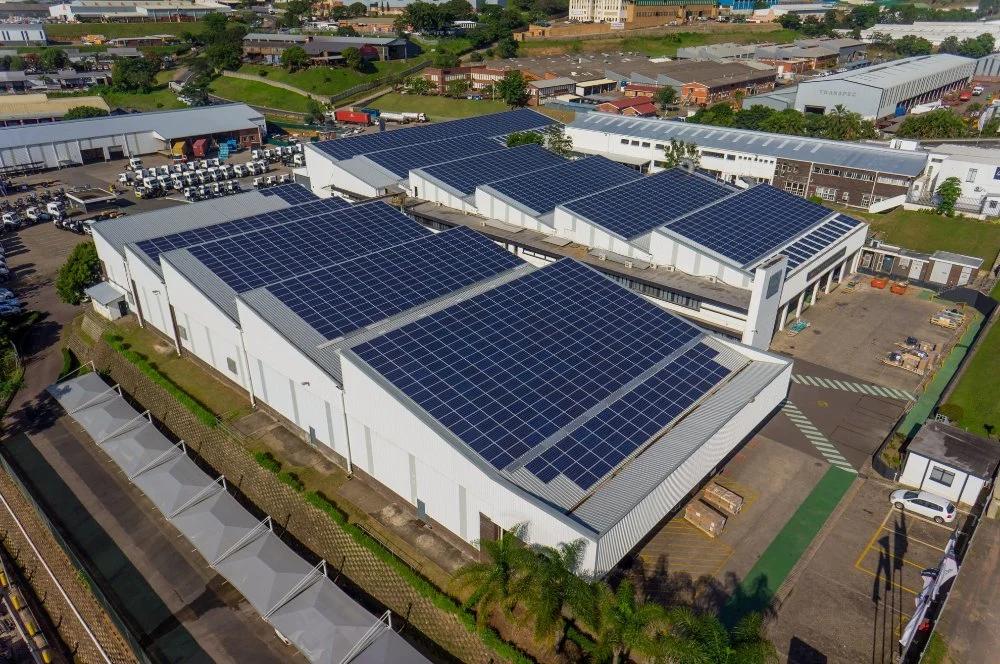
What Is Commercial Rooftop Solar?
Commercial rooftop solar refers to installing a solar power system on:
- Factories
- Warehouses
- Office buildings
- Retail outlets
- Hospitals and institutions
These systems are typically larger than residential setups and are designed to handle high electricity demand during daytime operations.
Key Benefits of Commercial Rooftop Solar
1. Significant Reduction in Electricity Costs
Electricity is one of the largest operational expenses for most businesses.
With solar power installation, companies can:
- Generate their own electricity
- Reduce dependency on grid supply
- Lower monthly electricity bills
This directly improves profit margins.
2. Faster Return on Investment (ROI)
Commercial solar systems offer strong financial returns.
Typical benefits include:
- Payback period of 3 to 5 years
- Long system life of 25+ years
- Stable long-term savings
This makes solar a high-return infrastructure investment.
3. Protection from Rising Electricity Tariffs
Grid electricity costs tend to increase over time.
Solar helps businesses:
- Lock in energy costs
- Reduce exposure to tariff hikes
- Maintain predictable operating expenses
4. Maximum Usage During Daytime
Commercial operations usually run during the day, when solar generates power.
This results in:
- Higher self-consumption
- Better utilisation of generated electricity
- Improved overall system efficiency
5. Tax Benefits & Financial Advantages
Businesses can benefit from:
- Accelerated depreciation (for eligible entities)
- Reduced taxable income
- Improved cash flow
This enhances overall financial viability.
6. Scalability for Future Expansion
Commercial solar systems can be:
- Expanded over time
- Designed for future load increases
- Integrated with additional infrastructure
This makes solar a flexible long-term solution.
7. Enhanced Brand Image & Sustainability
Adopting solar energy for business helps:
- Improve brand reputation
- Meet sustainability goals
- Align with ESG (Environmental, Social, Governance) standards
| Factor | Grid Electricity | Commercial Solar |
| Cost Trend | Increasing | Fixed after installation |
| Monthly Bills | High & variable | Reduced significantly |
| Control | Limited | High control |
| ROI | None | Strong long-term returns |
| Sustainability | Low | High |
Industries That Benefit Most from Solar
Commercial solar is highly effective for:
- Manufacturing units
- Warehouses and logistics hubs
- IT offices and commercial complexes
- Hospitals and educational institutions
- Retail chains
Any business with daytime electricity usage can benefit.
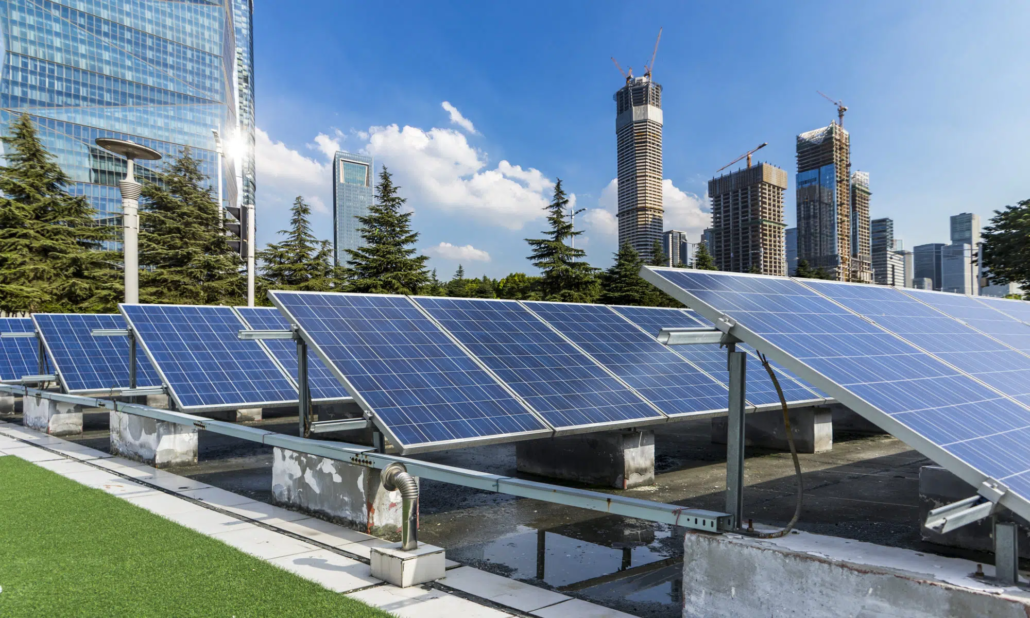
Factors That Influence Commercial Solar Performance
To maximise performance, consider:
- Roof space availability
- Load consumption patterns
- System design and sizing
- Quality of components
- Installation expertise
Proper planning ensures long-term efficiency.
Why Installation Quality Matters
Commercial solar systems are larger and more complex.
Proper installation ensures:
- Maximum energy generation
- Safety and compliance
- Long-term durability
Is Commercial Rooftop Solar Worth It in 2026?
For most businesses, the answer is yes.
With rising energy costs and increasing demand for sustainable solutions, commercial solar offers:
- Cost savings
- Energy independence
- Long-term financial stability
Commercial rooftop solar is no longer just an alternative energy option; it is becoming a strategic business decision.
At Soltrix Energy Solar, we design commercial solar systems based on:
- Business energy consumption
- Roof structure
- Operational patterns
We provide complete support from design to installation and approvals, ensuring reliable performance.


Leave a Reply
Want to join the discussion?Feel free to contribute!