
Solar Panel Performance Over Time: How Efficiency Changes After 10, 20 & 25 Years
When investing in rooftop solar, one of the most important questions homeowners ask is:
How does solar panel performance change over time?
Solar panels are designed to last 25 years or more, but like any long-term system, their efficiency gradually declines. Understanding solar panel degradation, long-term performance, and efficiency loss helps you make a better investment decision.
This guide explains exactly what happens to your solar power system after 10, 20, and 25 years.
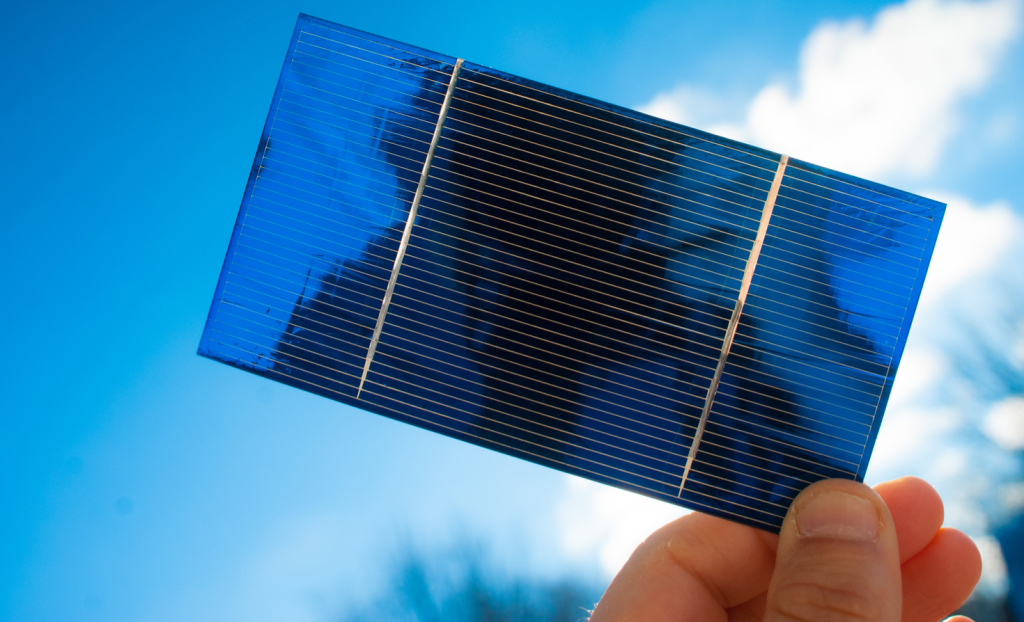
What Is Solar Panel Degradation?
Solar panel degradation refers to the gradual reduction in electricity output over time.
Modern solar panels typically degrade at:
0.5% to 0.8% per year
This means your system continues generating electricity efficiently for decades, with only a small reduction each year.
Solar Performance After 10, 20 & 25 Years
Here’s a clear breakdown of how solar performance changes over time:
| Time Period | Expected Efficiency | Performance Insight |
| Year 1 | ~98 – 99% | Slight initial drop (normal) |
| After 10 Years | 92 – 95% | Minimal noticeable change |
| After 20 Years | 85 – 90% | Strong generation continues |
| After 25 Years | 80 – 85% | Still highly functional |
Even after 25 years, solar panels continue producing significant electricity.
Why Solar Panels Lose Efficiency Over Time
The gradual efficiency loss is caused by:
- Natural ageing of photovoltaic cells
- Exposure to sunlight (UV radiation)
- Temperature variations
- Environmental factors like dust and humidity
However, since solar panels have no moving parts, degradation remains slow and predictable.
First-Year Degradation Explained
Most solar panels experience a slightly higher drop in the first year:
- Around 1% to 2% initial degradation
- After that, performance stabilises
This is standard and has already been considered in the system design.
Does Solar Performance Drop Affect Savings?
Not significantly.
Even with gradual degradation:
- Electricity generation remains strong
- Savings continue for 25+ years
- Rising electricity tariffs increase the overall value
In fact, most systems recover their cost within 3.5 to 5 years, meaning the majority of generated power is long-term savings.
Solar Panel Lifespan vs Other Equipment
Compared to other household systems:
- Air conditioners → 8–12 years
- Inverters → 5–10 years
- Batteries → 3–7 years
Solar panels, however, last 25+ years, making them one of the most durable energy investments.
Factors That Affect Long-Term Solar Performance
Solar performance over time depends on:
- Quality of solar panels
- Installation standards
- Mounting structure durability
- Proper earthing and protection
- Regular cleaning and maintenance
Two identical systems can perform differently based on installation quality.
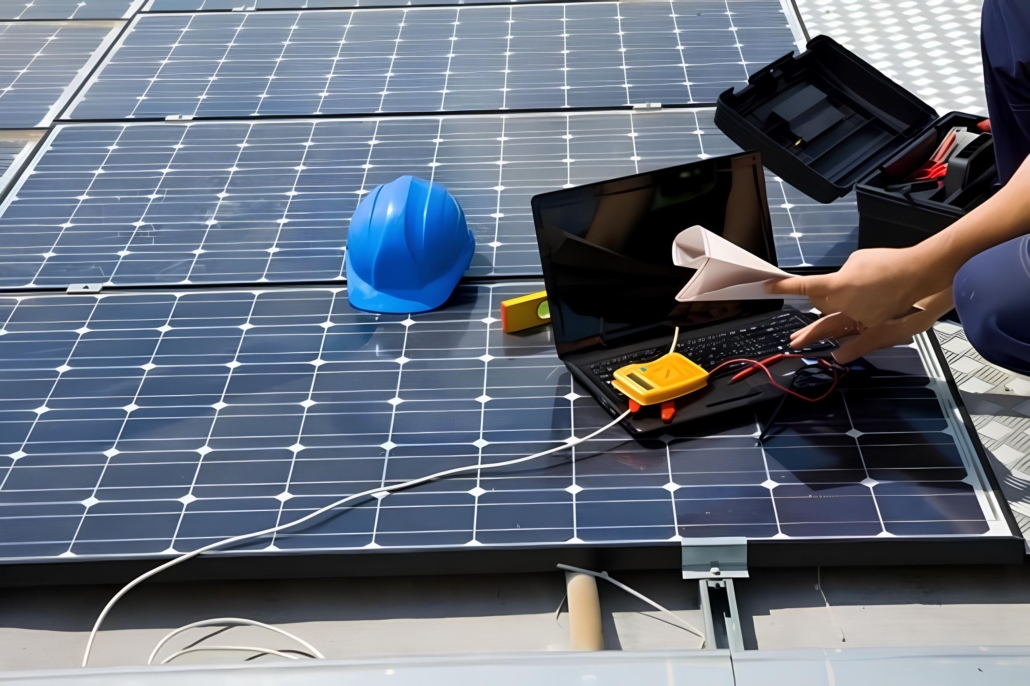
How to Maintain Solar Efficiency Over the Years
To maintain optimal performance:
- Clean panels regularly (every 10 – 20 days in Chennai)
- Monitor system output
- Schedule periodic inspections
- Avoid shading issues
Simple maintenance ensures consistent performance.
Do Solar Panels Stop Working After 25 Years?
No.
After 25 years:
- Panels still generate 80 – 85% efficiency
- Continue producing usable electricity
- Can operate beyond 30 years
25 years is typically the warranty period, not the end of life.
Long-Term Value of Solar Power
Solar is not just about immediate savings.
Over its lifetime, a rooftop solar system provides:
- Predictable electricity generation
- Protection from rising tariffs
- Long-term financial benefits
Even with a gradual decline in efficiency, solar remains a high-value, long-term investment.
Designing Long-Lasting Solar Systems
Solar panel performance does change over time, but slowly, predictably, and within expected limits.
At Soltrix Energy Solar, we design solar systems with long-term performance in mind, ensuring proper installation, high-quality components, and reliable output over decades.
After 25 years, your system will still be generating the majority of its original capacity, making solar one of the most reliable and durable energy solutions available today.


Leave a Reply
Want to join the discussion?Feel free to contribute!