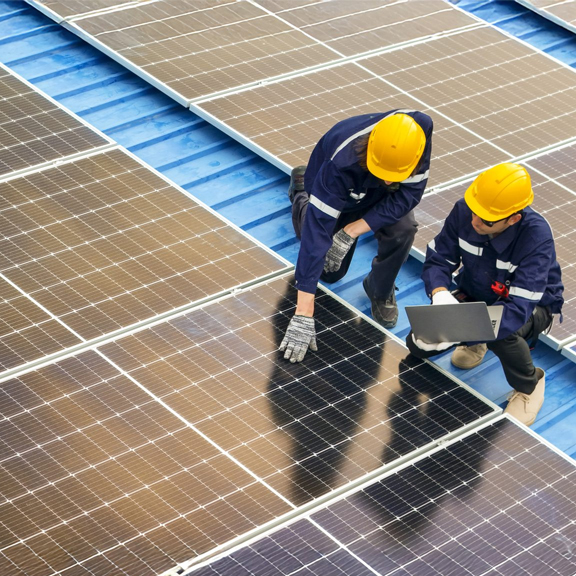
Affordable Power, Trusted Performance
Polycrystalline
Monocrystalline solar panels, or mono panels, are made from a single, pure silicon crystal, giving them a sleek black appearance and superior performance. They are known for delivering the highest efficiency among solar panel types, making them ideal for rooftops and projects with limited space. Mono panels generate more power per square meter and perform better even in low-light or cloudy conditions. Though they are slightly more expensive than polycrystalline panels, their higher output and longer lifespan provide excellent returns on investment.
These panels are compact, durable, and resistant to high temperatures, ensuring stable energy production year after year. With advanced technology, today’s mono panels come with higher wattage options, improved performance, and extended warranties, making them the preferred choice for residential, commercial, and utility-scale solar installations.
- Highest efficiency panels
- Reliable long-term performance
- Works in low light
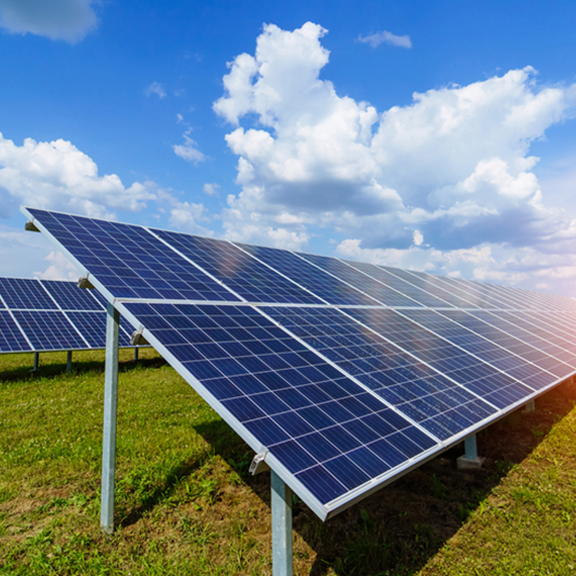
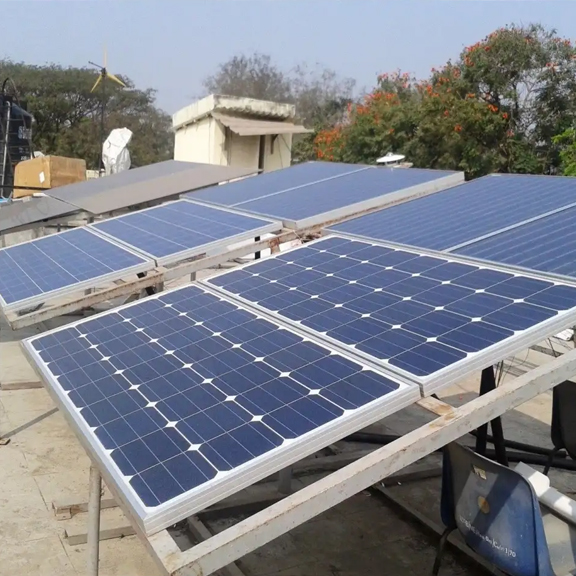
Maximum Efficiency, Premium Power
Monocrystalline
Monocrystalline solar panels, or mono panels, are made from a single, pure silicon crystal, giving them a sleek black appearance and superior performance. They are known for delivering the highest efficiency among solar panel types, making them ideal for rooftops and projects with limited space. Mono panels generate more power per square meter and perform better even in low-light or cloudy conditions. Though they are slightly more expensive than polycrystalline panels, their higher output and longer lifespan provide excellent returns on investment.
These panels are compact, durable, and resistant to high temperatures, ensuring stable energy production year after year. With advanced technology, today’s mono panels come with higher wattage options, improved performance, and extended warranties, making them the preferred choice for residential, commercial, and utility-scale solar installations.
- Highest efficiency panels
- Sleek black appearance
Next-Gen Efficiency, Smarter Solar
TOPCON Solar Panels
TOPCon (Tunnel Oxide Passivated Contact) solar panels are one of the latest high-efficiency technologies in the solar industry. Built on monocrystalline cells with advanced passivation layers, they significantly reduce energy losses and improve overall performance. TOPCon panels deliver higher conversion efficiency compared to traditional Mono and Poly panels, making them ideal for projects that demand maximum output in limited space.
Known for their longer lifespan and durability, these panels provide excellent returns on investment for both residential and utility-scale applications. With improved bifacial performance, TOPCon technology captures sunlight from both sides of the panel, boosting energy yield.
- Latest solar technology
- Higher efficiency than Mono/Poly
- Excellent temperature performance
- Bifacial energy generation
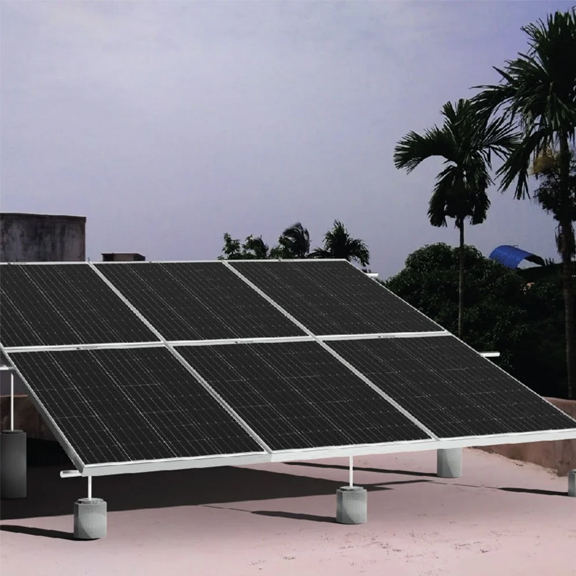
Hybrid Technology, Ultimate Performance
Heterojunction
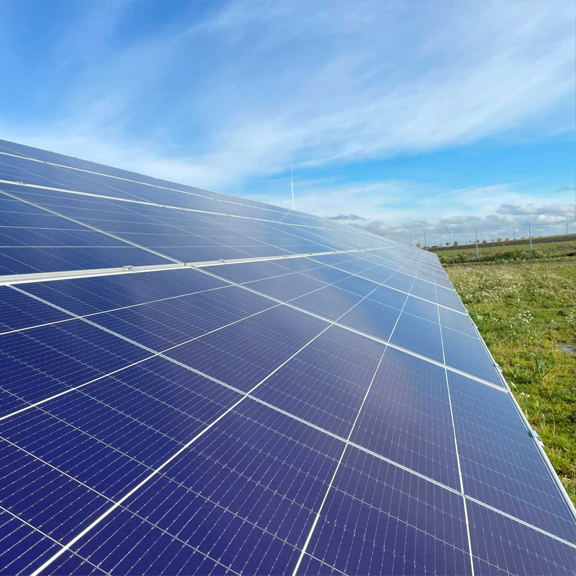
HJT (Heterojunction) solar panels are an advanced solar technology that combines crystalline silicon with thin-film layers to achieve superior efficiency. This hybrid structure minimizes energy loss, enabling HJT panels to deliver higher conversion rates compared to conventional Mono and Poly panels. They perform exceptionally well in low-light and high-temperature conditions, ensuring consistent energy generation throughout the day. With their bifacial design, HJT panels capture sunlight from both the front and back sides, further boosting output.
They also have one of the lowest degradation rates, meaning they retain high efficiency for decades. Although slightly costlier, HJT panels provide excellent returns through maximum power generation, compact installation, and extended lifespan.
- Latest solar technology
- Higher efficiency than Mono/Poly
- Excellent temperature performance
- Bifacial energy generation
Simple, Reliable, Connected
String Inverters
String inverters are one of the most widely used technologies in solar power systems, especially for residential and small-to-medium commercial projects. In this setup, multiple solar panels are connected in a “string,” and their combined output is fed into a single inverter. This makes installation simple, cost-effective, and easy to maintain compared to more complex solutions. String inverters ensure steady performance and are well-suited for projects where panels face the same direction and receive uniform sunlight.
With modern advancements, they now feature smart monitoring, safety protections, and higher efficiency ratings. While they may be less effective in shaded or uneven conditions compared to microinverters, their proven reliability, affordability, and scalability make them a popular choice worldwide.
- Cost-effective inverter solution
- Ideal for homes & SMEs
- Works best in uniform sunlight
- Reliable & widely used
Panel-Level Power, Maximum Control
Micro Inverters
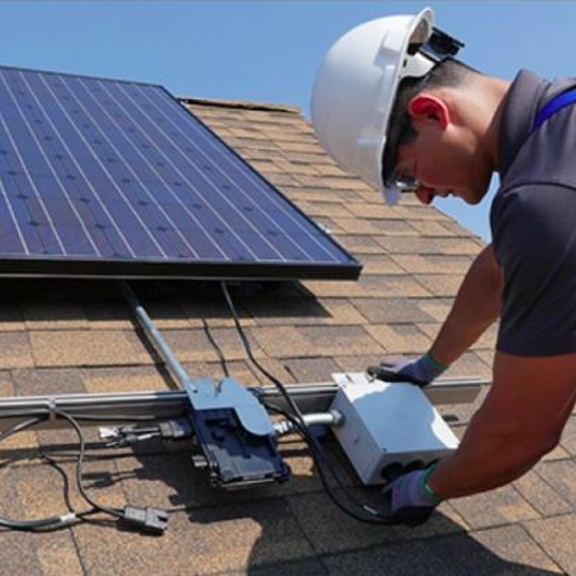
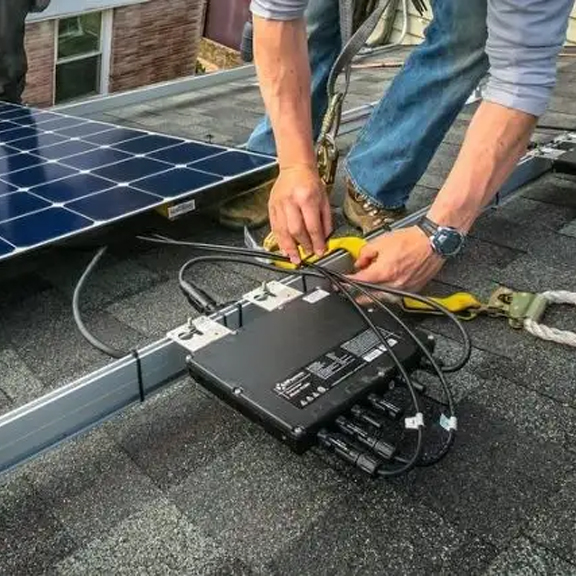
Microinverters are advanced inverter solutions that work at the individual solar panel level, converting DC to AC directly on each module. Unlike string inverters, where one inverter handles multiple panels, microinverters ensure every panel operates independently, maximizing overall system output. This makes them highly effective in installations with shading, varied orientations, or complex rooftops. They improve energy yield, provide detailed panel-level monitoring, and enhance system safety with lower DC voltage.
Microinverters are easy to expand, allowing users to add more panels without changing the entire setup. Although they come at a higher upfront cost, their superior performance, reliability, and extended warranties make them a smart long-term investment.
- Works on each panel
- Panel-level monitoring
- Maximizes energy output
- Flexible & expandable
Smart Solar with Backup Power
Hybrid Inverters
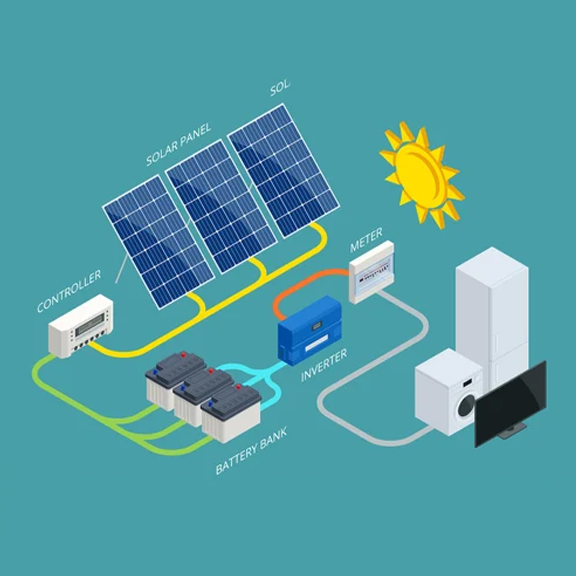
Hybrid inverters combine the functions of a solar inverter and a battery inverter into one system, making them a versatile choice for modern solar setups. They not only convert DC power from solar panels into AC for daily use but also store excess energy in batteries for later consumption. This ensures uninterrupted power supply during grid failures, making them ideal for areas with frequent outages. Hybrid inverters allow homeowners and businesses to optimize self-consumption, reduce electricity bills, and achieve greater energy independence.
They are equipped with smart energy management features that prioritize solar usage, store surplus energy, and seamlessly switch between grid, solar, and battery power.
- Combines solar + battery inverter
- Provides backup during outages
- Reduces electricity bills
- Smart energy management
Strong Foundations for Maximum Energy
Ground Mounted Structure
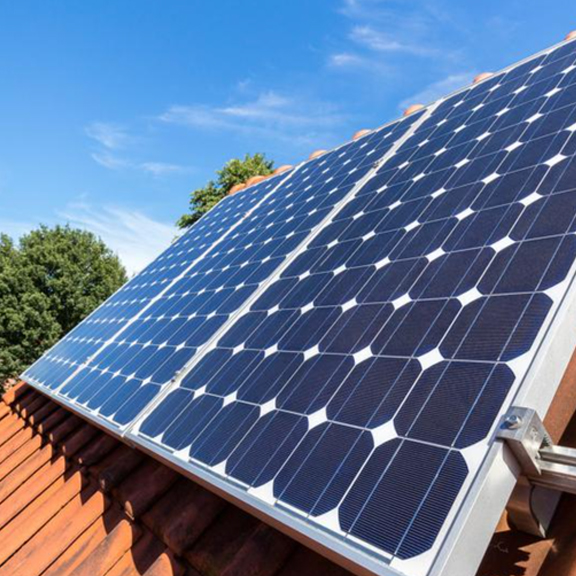
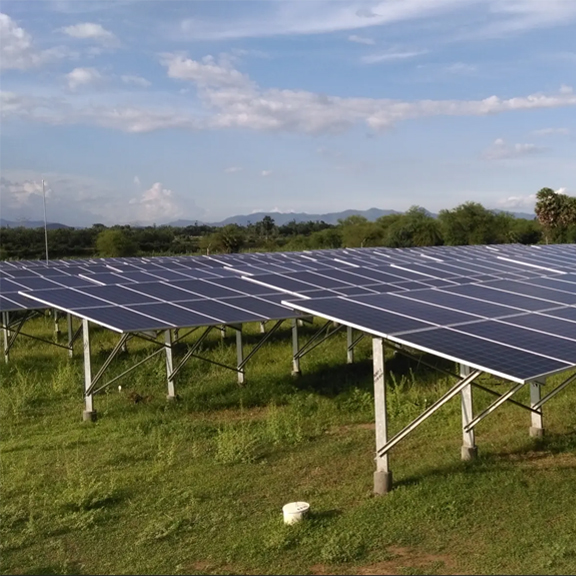
Ground mounted solar structures are frameworks installed directly on open land to support solar panels. They are ideal for large-scale solar farms, commercial setups, and open-space residential projects. These structures allow optimal panel tilt and orientation to maximize sunlight capture and energy output. Made from durable materials like galvanized steel or aluminum, they withstand harsh weather and ensure long-term stability.
Ground mounting systems are flexible in size, easy to maintain, and can include fixed-tilt or tracking mechanisms for enhanced efficiency.
- Ideal for large-scale projects
- Durable & weather-resistant
- Optimal tilt & orientation
- Easy maintenance
Maximizing Roof Space, Minimizing Effort
Rooftop Elevated Structure
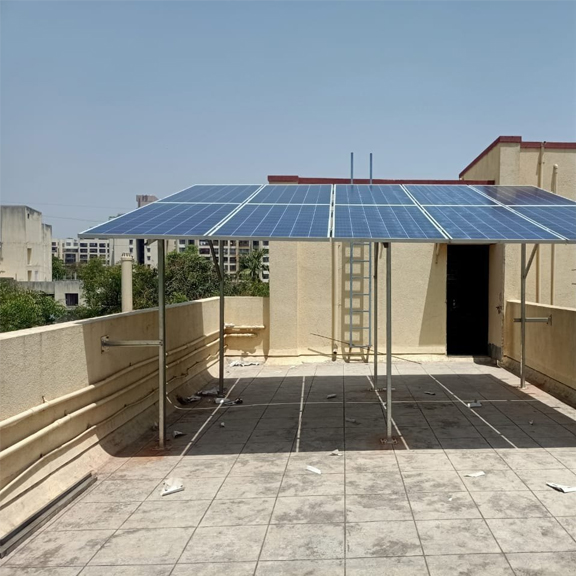
Rooftop elevated structures lift solar panels above the roof surface, allowing airflow underneath and preventing heat buildup, which improves efficiency. They are perfect for flat or slightly sloped roofs and reduce roof load while ensuring proper alignment with sunlight. These elevated mounts are made from corrosion-resistant materials and are designed for easy installation and maintenance. The design also allows space for rooftop utilities or green rooftops.
Elevated systems provide flexibility in panel positioning and can be combined with tilt mechanisms to maximize energy yield. They are widely used for commercial buildings, institutions, and residential complexes seeking efficient solar solutions without major structural changes.
- Suited for flat/sloped roofs
- Reduces roof load
- Enhances panel efficiency
- Easy installation & maintenance
Secure Solar for Challenging Roofs
Blasted Rooftop Structure
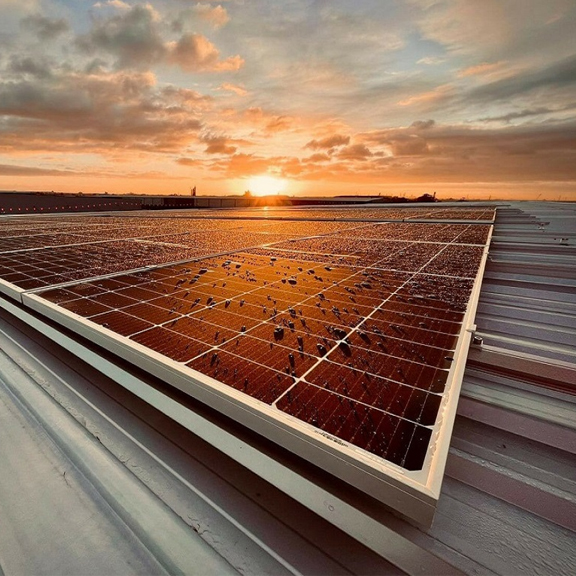
Blasted rooftop structures are specially designed for roofs with uneven, rough, or weak surfaces where conventional mounting is difficult. These mounts use reinforced bases or brackets to ensure stability without compromising the roof’s integrity. They are often used in industrial or older buildings and can support both poly and monocrystalline panels. Blasted mounts are engineered for durability, high wind resistance, and long-term performance.
They allow proper panel tilt and orientation to optimize energy generation while providing safe installation practices. This solution ensures that even challenging rooftops can host solar systems efficiently and safely.
- Ideal for uneven/weak roofs
- Reinforced, durable mounts
- High wind resistance
- Safe & stable installation
Energy on Water, Efficient & Clean
Floating Structure
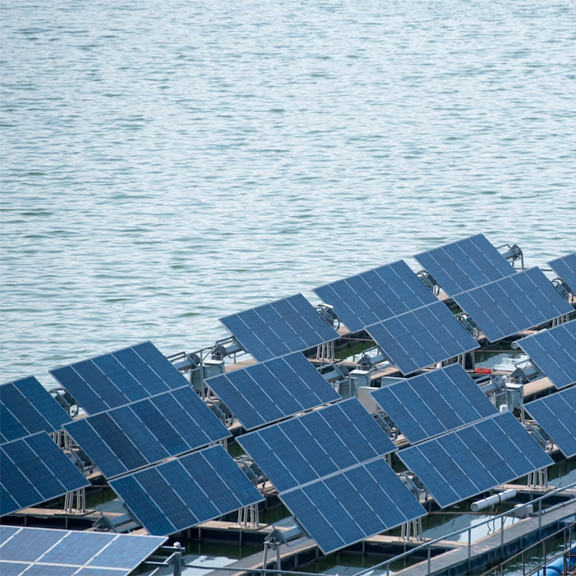
Floating solar structures are installed on water bodies like lakes, ponds, or reservoirs, combining renewable energy generation with minimal land usage. The panels are mounted on buoyant frames that keep them stable and resistant to water currents. Floating systems reduce water evaporation, improve panel cooling, and increase efficiency compared to land-based installations. They are ideal for regions with limited land availability or high land costs.
Floating solar farms also contribute to sustainable water management and help preserve surrounding land for agriculture or development. These structures require corrosion-resistant materials and proper anchoring to ensure long-term durability and performance.
- Ideal for lakes/reservoirs
- Saves land for other uses
- Better cooling & efficiency
- Reduces water evaporation
Solar Built into Architecture
Building-Integrated Structure (BIPV)
Building-Integrated Photovoltaics (BIPV) integrate solar panels directly into building materials, such as roofs, facades, or windows, providing both power generation and structural functionality. These systems enhance aesthetics while reducing the need for separate mounting structures. BIPV is ideal for modern residential, commercial, and office buildings aiming for energy efficiency and sustainable architecture. Panels are designed to blend seamlessly with construction materials and provide reliable energy output without occupying extra space.
This integration reduces material costs, optimizes energy efficiency, and supports green building certifications. BIPV systems are increasingly popular in urban areas where space is limited and aesthetics are a priority.
- Integrated into building materials
- Enhances aesthetics
- Space-saving solution
- Reliable energy generation
Track Every Watt
Data Logging
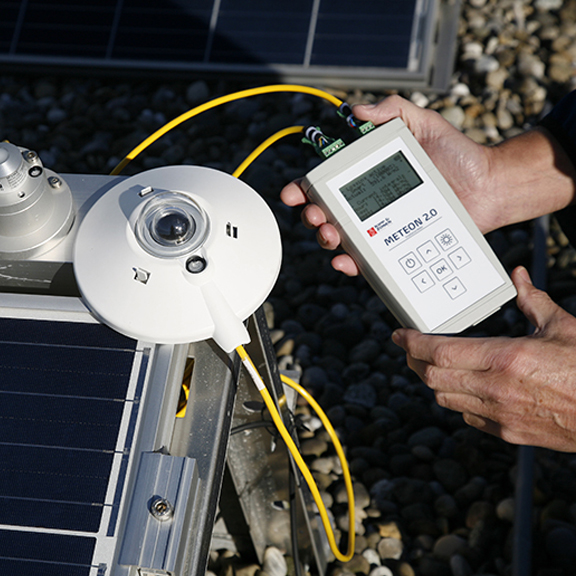
Data logging in solar systems involves recording real-time performance data from solar panels, inverters, and other equipment. This information helps operators monitor energy production, detect anomalies, and analyze trends over time. Accurate data logging is essential for performance assessment, preventive maintenance, and ensuring that the system meets expected efficiency levels. It enables better decision-making by providing insights into equipment health, energy losses, and operational patterns.
With advanced data loggers, solar plants can automatically collect, store, and transmit performance metrics to central monitoring systems, improving transparency and reliability.
- Records real-time system data
- Tracks energy production
- Detects faults early
- Supports preventive maintenance
Centralized Solar Control
SCADA (Supervisory Control and Data Acquisition)
SCADA systems are used to monitor, control, and optimize the performance of solar power plants remotely. They provide a centralized interface for operators to oversee multiple inverters, panels, and substations simultaneously. SCADA enables real-time alerts, automated control, and predictive maintenance, helping to maximize energy output and minimize downtime. The system collects data from field devices, analyzes it, and displays actionable insights for efficient management.
SCADA is especially valuable for large-scale and utility solar projects, ensuring smooth operation, regulatory compliance, and quick response to technical issues.
- Centralized plant monitoring
- Real-time control & alerts
- Optimizes energy output
- Enables predictive maintenance
Grid-Synchronized Energy Management
SLDC (State Load Despatch Center)
SLDC is responsible for real-time management of electricity flow within a state, ensuring grid stability and balancing supply and demand. In solar projects, SLDC coordinates with solar plants for grid integration, scheduling, and dispatch of renewable energy. It monitors voltage, frequency, and power quality to prevent grid disturbances and ensures compliance with regulations. Solar generators provide generation data to SLDC for proper forecasting and settlement.
Effective SLDC coordination enables smooth operation of renewable energy sources, enhances reliability, and supports efficient load management at the state level.
- Manages state-level electricity flow
- Ensures grid stability
- Coordinates solar energy dispatch
- Monitors voltage & frequency